Turf Repair And Replacement in Arlington, TX
Professional turf repair and section replacement for damaged or worn artificial grass areas.
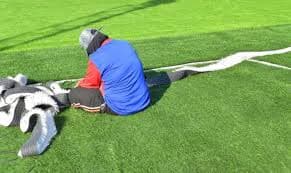
Artificial turf damage from wear, weather, accidents, or installation defects can compromise both the appearance and functionality of your synthetic grass investment. Professional turf repair and replacement services restore damaged sections to like-new condition, extending the life of your installation and maintaining the attractive, usable surface you expect from quality artificial turf. Whether your turf has visible wear in high-traffic areas, damage from pets or outdoor equipment, seam separation, backing deterioration, or isolated problem areas, expert repair can address these issues without requiring complete replacement of your entire installation. Understanding when repair is appropriate versus when partial or complete replacement makes more sense is essential for making cost-effective decisions about maintaining your artificial turf. Our comprehensive repair and replacement service evaluates turf condition, identifies underlying causes of damage or wear, and implements the most effective solution for your specific situation. We handle everything from minor seam repairs and isolated damaged sections to substantial partial replacements and complete reinstallations when necessary. This page covers all aspects of artificial turf repair and replacement in Arlington, Texas, including what our service includes, our systematic approach to repairs, different types of damage we address, factors that influence repair costs, and answers to common questions about restoring artificial turf to optimal condition. Whether you notice problems developing or face sudden damage requiring immediate attention, professional repair service can often restore your turf effectively and extend its useful life significantly beyond what damaged turf would provide.
What Our Turf Repair and Replacement Service Includes
Our turf repair and replacement service provides comprehensive solutions for damaged or worn artificial grass. We evaluate your turf's condition, determine the most effective repair approach, and execute the work with attention to matching existing turf and ensuring repairs blend seamlessly with surrounding areas.
- •Comprehensive Damage Assessment - Thorough inspection of damaged areas and surrounding turf, identification of damage causes and underlying issues, evaluation of whether damage is isolated or indicates broader problems, and determination of optimal repair approach versus replacement needs
- •Matching Turf Material Sourcing - Identification of your existing turf product or close visual and performance match, sourcing of appropriate replacement turf materials with matching pile height, color, backing type, and specifications, and verification of material compatibility with existing turf
- •Precise Damaged Section Removal - Careful cutting and removal of damaged turf sections using professional techniques that minimize disturbance to surrounding areas, removal of damaged backing or infill materials, and inspection of base materials beneath damaged turf to identify any underlying problems
- •Base Material Evaluation and Repair - Assessment of base materials in repair areas for settling, erosion, or damage, correction of any base problems including adding and compacting materials as needed, restoration of proper grade and drainage, and ensuring stable foundation for replacement turf
- •Replacement Turf Installation - Professional installation of new turf sections cut to precise size, proper orientation to match pile direction and grain of existing turf, secure attachment using appropriate seaming methods, and integration with surrounding turf for seamless appearance
- •Seam Creation and Securing - Expert seaming of new turf to existing turf using seam tape and adhesive or other appropriate methods, precise alignment and tensioning to prevent visible seam lines, and ensuring secure attachment that prevents future separation or lifting
- •Infill Restoration and Distribution - Removal of old or contaminated infill from repair areas if needed, installation of appropriate infill materials matching surrounding turf specifications, and careful distribution and grooming to achieve proper infill depth and consistent appearance across repair areas and existing turf
- •Final Blending and Appearance Optimization - Professional grooming and brushing to blend repair areas with surrounding turf, ensuring pile orientation matches, verifying no visible seam lines or color differences, and confirming repair areas are secure and ready for normal use
Our Turf Repair and Replacement Process
We follow a methodical repair process that addresses not just visible damage but underlying causes, ensuring repairs last and problems do not recur. Each step is designed to restore your turf to optimal condition while blending repairs seamlessly with existing areas.
Inspection and Damage Evaluation
We begin every repair project with thorough inspection of damaged areas and assessment of overall turf condition. This inspection identifies the extent of damage, determines what caused the problem, and evaluates whether underlying issues like base settling, drainage problems, or installation defects contributed to the damage. We look beyond the obvious damage to understand the full scope of problems, checking surrounding areas for early signs of similar issues and evaluating whether isolated damage or part of broader deterioration. This assessment determines whether spot repair is appropriate or if more extensive work is needed. We document damage conditions with photos and notes, discuss our findings with you, and recommend the most effective and cost-efficient approach to addressing the problems.
Turf Matching and Material Acquisition
For repairs to blend successfully, replacement turf must match existing turf in pile height, face weight, color, backing type, and overall appearance. We identify your existing turf product when possible, either from installation records you provide or through visual inspection and manufacturer identification. If exact replacement material is no longer available, which is common for older installations, we source the closest available match based on visual appearance and performance characteristics. We obtain samples when appropriate to verify match quality before ordering full replacement materials. For extensive repairs or when matching is difficult, we discuss options including using slightly different turf that blends acceptably or replacing larger sections with new turf to create uniform appearance.
Damaged Turf Removal and Base Inspection
We carefully remove damaged turf sections by cutting along seam lines where possible or creating new cut lines that will allow effective seaming of replacement turf. Removal is done carefully to avoid damaging surrounding turf or disturbing more area than necessary. Once damaged turf is removed, we inspect the base materials beneath for settling, erosion, drainage problems, or other issues that may have contributed to turf damage or will cause problems if not addressed. We remove old infill from the repair area, check that base materials are properly compacted and at the correct grade, and look for underlying problems like inadequate drainage or weed barrier failures that should be corrected during the repair.
Base Repair and Preparation
If inspection reveals base material problems, we correct them before installing replacement turf. This may include adding base materials to areas that have settled, re-compacting base that has become loose, improving drainage in areas where water accumulates, or replacing damaged weed barrier sections. We ensure the base in repair areas is at proper grade, properly compacted, and provides the same stable foundation as surrounding areas. Any base repairs are completed and verified before turf replacement begins, preventing future problems and ensuring repairs last as long as the surrounding turf. The prepared base is smoothed and checked for proper contours and drainage.
Replacement Turf Installation and Seaming
We cut replacement turf to fit repair areas precisely, orienting the grain and pile direction to match surrounding turf for seamless blending. The replacement turf is positioned carefully, ensuring proper alignment with existing turf and correct positioning for seaming. We create seams between new and existing turf using professional seaming techniques, typically using seam tape and adhesive applied to backing materials or other methods appropriate for your turf type. Seams are carefully aligned to minimize visibility, with edges butted together without gaps or overlaps. We apply appropriate tension during seaming to prevent ripples or bunching while avoiding overstretching that could cause seam failure. The seamed areas are weighted or secured while adhesive cures to ensure strong, permanent bonds.
Infill Installation and Final Grooming
After replacement turf is securely installed and seams have cured, we install infill materials to match the type and depth of infill in surrounding turf areas. Infill is spread evenly across repair areas, worked into the turf fibers with proper grooming techniques, and distributed to achieve consistent depth and appearance. We groom the entire repair area and surrounding turf to blend pile orientation, ensure infill is evenly distributed, and eliminate any visible seam lines or appearance differences between new and existing turf. Final grooming includes brushing to bring up pile, removing any debris or loose fibers, and verifying the repair areas match surrounding turf in appearance and feel. We inspect the completed repair to ensure secure seams, proper infill depth, good appearance, and readiness for normal use.
Types of Turf Repair and Replacement We Provide
Artificial turf damage takes many forms, each requiring specific repair approaches and techniques. We handle all types of turf damage and deterioration, from minor cosmetic issues to substantial structural problems requiring extensive replacement.
High-Traffic Area Wear Repair
High-traffic areas in artificial turf installations commonly show accelerated wear including pile flattening, fiber breakage, backing deterioration, and appearance degradation. These areas include entryways, pathways, goal areas on sports fields, and sections where people consistently walk or stand. We repair high-traffic wear by removing worn turf sections and installing fresh replacement turf that restores appearance and performance. Often we recommend infill adjustments or protective measures to extend the life of repaired areas. For severe wear patterns indicating inadequate turf specification for use levels, we may recommend upgrading to more durable turf products in high-wear zones. Addressing high-traffic wear promptly prevents damage from spreading and maintains overall installation appearance even when isolated areas show use.
Pet Damage and Odor Area Replacement
Pet damage to artificial turf ranges from digging damage creating holes or tears to areas where pet waste has saturated infill and backing materials, causing persistent odors even with regular cleaning. We repair pet damage by removing affected turf sections, addressing any base material contamination, replacing weed barrier if damaged, installing fresh base materials when needed, and installing new turf with appropriate infill for pet areas. For odor problems, repair often includes removing and replacing contaminated infill and sometimes base materials, treating the area with odor neutralizers, and installing antimicrobial infill or backing materials to prevent future odor development. Pet area repairs focus not just on cosmetic restoration but on addressing underlying sanitation and odor control issues.
Seam Separation and Lifting Repair
Seam separation where turf sections have pulled apart creates visible gaps, trip hazards, and areas where infill escapes and weeds can intrude. We repair separated seams by cleaning the seam area, repositioning turf sections properly, and re-seaming using fresh seam tape and adhesive or other appropriate methods. If seam separation resulted from turf shrinkage, base settling, or installation errors, we address these underlying causes during repair to prevent recurrence. Sometimes seam repairs require cutting back turf edges to create clean surfaces for seaming, reducing repair area size slightly but ensuring strong, lasting seam bonds. Lifting repairs involve re-securing turf to base materials, sometimes adding additional anchoring, and addressing any base problems that allowed lifting to occur.
Accidental Damage and Tear Repair
Accidental damage to artificial turf from equipment, falling objects, sharp tools, or other incidents creates tears, holes, burns, or crushing damage requiring repair. We assess accidental damage to determine whether patching is feasible for small damage or section replacement is needed for larger areas. Small holes or tears can sometimes be repaired by seaming edges together or inserting small patches, while larger damage typically requires cutting out the damaged section and installing a replacement piece. Burns from grills or fire features usually require replacement because damaged fibers cannot be restored. For crushing damage from heavy objects, we evaluate whether turf will recover with grooming and time or requires replacement. We discuss repair options and recommend approaches that balance appearance, durability, and cost considerations.
Drainage Problem Area Restoration
Areas where drainage problems have caused turf damage, backing deterioration, base erosion, or settling require comprehensive repair addressing both turf damage and underlying drainage issues. We remove damaged turf to access base materials, evaluate and correct drainage problems, restore proper base grading and compaction, install or repair drainage components as needed, and then install replacement turf once drainage issues are resolved. These repairs are more extensive than simple turf replacement because we must fix underlying problems to prevent damage recurrence. Drainage-related repairs may involve installing French drains, adding catch basins, improving base material permeability, or correcting grade problems that allow water accumulation. The investment in proper drainage repair protects not just the repaired area but prevents similar damage from developing in other areas.
Why Arlington Property Owners Choose Our Turf Repair and Replacement Services
Successful turf repair requires more than just patching damaged areas; it demands understanding why damage occurred, how to prevent recurrence, and techniques for creating repairs that blend seamlessly with existing turf. We bring comprehensive knowledge of artificial turf products, installation methods, and common failure modes that cause damage or deterioration. Our diagnostic approach identifies underlying causes of turf damage rather than simply addressing symptoms, ensuring repairs last and problems do not recur in the same or adjacent areas. We have access to diverse turf products and materials, enabling us to match existing turf effectively or source appropriate alternatives when exact matches are unavailable. Our installation techniques for repair work mirror the precision and attention to detail of new installations, ensuring seams are secure, properly aligned, and virtually invisible when completed correctly. We understand how to work with existing turf and base materials, minimizing disturbance to surrounding areas while making necessary repairs. Our approach balances repair comprehensiveness with cost effectiveness, recommending the most appropriate solution for your specific damage whether that involves spot repairs, partial replacement, or occasionally full reinstallation when damage is extensive or indicates broader problems. We communicate clearly about repair options, explaining what each approach will accomplish, how repairs will look, and realistic expectations for repair longevity and appearance. Our goal is restoring your turf to optimal condition with repairs that last and maintain your installation's value and appearance for years to come.
Factors That Affect Turf Repair and Replacement Pricing
Turf repair costs vary significantly based on damage extent, repair complexity, and material requirements. Understanding the factors that influence pricing helps you evaluate repair options and make informed decisions about maintaining your artificial turf investment.
Extent of Damage and Repair Area Size
Larger damaged areas requiring more replacement turf and more extensive seaming work cost more to repair than small isolated problems. However, per-square-foot repair costs are typically higher for very small repairs because of minimum labor requirements and material purchasing minimums. Mid-size repairs often represent the best value on a per-square-foot basis. Multiple small damaged areas scattered throughout an installation may cost more to repair than a single larger area of the same total size because of additional setup, seaming, and finishing work. We assess total damaged area and distribution when estimating repair costs, sometimes recommending strategic approach that addresses all problem areas efficiently.
Turf Matching Difficulty and Material Costs
Repairing newer installations with current turf products available for matching typically costs less than repairing older installations where exact turf matches are discontinued and close substitutes must be sourced. Some turf products are readily available in small quantities for repair work, while others have high minimum order quantities increasing material costs for small repairs. Premium turf products cost more to replace than basic materials, affecting repair costs proportionally. When exact matches cannot be found, we may need to order samples or trial materials, adding to project cost and timeline. Material costs for repair work include not just turf but seaming supplies, infill materials, and potentially base materials if repairs require base work.
Underlying Base and Drainage Issues
Repairs that require only turf replacement cost significantly less than repairs necessitating base material work, drainage corrections, or weed barrier replacement beneath damaged turf. Addressing settled base areas requires excavation, adding new base material, compaction, and re-grading before turf replacement. Drainage problems may require installing French drains, catch basins, or other components, substantially increasing repair scope and cost. Weed barrier damage requiring replacement adds material and labor. We evaluate base conditions in all repair areas and discuss any additional work needed, providing clear estimates that separate turf repair costs from necessary base or drainage work.
Seam Complexity and Repair Location
Repairs in the middle of turf areas require creating seams on all sides of replacement sections, involving more seaming work and greater skill to ensure invisible seams than repairs along existing edges or seam lines. Complex shapes or repairs around obstacles like drains, posts, or landscape features require more careful cutting and fitting, increasing labor time. Repairs in highly visible areas may require extra attention to appearance and blending, sometimes necessitating larger repair areas to ensure seams fall in less visible locations. Access challenges including confined spaces, distant locations from material storage areas, or areas requiring special equipment affect labor efficiency and costs.
Infill Removal, Replacement, and Disposal
Repairs to turf with heavy infill loading require removing substantial infill quantities from repair areas and surrounding turf to access seams and perform work, then replacing infill after repair completion. Infill removal and replacement adds labor time to repair projects. Contaminated infill from pet areas or other sources may require special disposal, adding cost. Premium infill products like antimicrobial or cooling infills cost more to replace than basic silica sand or crumb rubber. Large repairs may require significant infill quantities, making infill costs a substantial portion of total repair expense. We account for infill handling and replacement costs in repair estimates, discussing options if infill type changes are recommended.
Urgency and Scheduling Considerations
Emergency repairs needed to address safety hazards, prevent additional damage, or restore critical facilities for scheduled events may involve premium pricing for expedited scheduling, after-hours work, or rush material sourcing. Standard repairs scheduled during normal business hours with adequate lead time for material ordering and planning typically cost less than urgent work. Weather constraints may affect repair timing, particularly during periods when adhesives require specific temperature and moisture conditions for proper curing. Complex repairs may require multiple site visits for assessment, material verification, and staged repair work, affecting overall project coordination and costs.
Service Area Coverage
We provide turf repair and replacement services throughout Arlington, Mansfield, Grand Prairie, Cedar Hill, and all surrounding Tarrant County communities. Our service area extends to Duncanville, DeSoto, Midlothian, Waxahachie, Burleson, Crowley, Kennedale, Forest Hill, and nearby cities where property owners need professional artificial turf repair and restoration. Whether your damaged turf is at residential properties, commercial facilities, athletic fields, or any other location in the region, we deliver expert repair services that restore turf to optimal condition.
Related Services
Seam Repair
Expert seam repair services to restore seamless appearance and prevent turf separation.
Learn More →Artificial Turf Installation
Professional artificial turf installation for residential and commercial properties with complete base preparation.
Learn More →Drainage Installation
Professional drainage system installation to prevent water pooling and ensure turf longevity.
Learn More →Frequently Asked Questions About Turf Repair And Replacement
How do I know if my damaged artificial turf can be repaired or needs complete replacement?+
The decision between repair and replacement depends on damage extent, cause, and your turf's overall condition. Isolated damage in otherwise good turf is almost always repairable cost-effectively, including small tears, limited high-wear areas, seam separations, or damage confined to specific sections. Widespread damage affecting large portions of the installation, overall deterioration from age showing throughout the turf, or damage indicating fundamental installation problems may make complete replacement more sensible than extensive repairs. We evaluate your specific situation during inspection, considering damage extent, turf age and condition, repair costs versus replacement costs, and long-term value of each option. Sometimes partial replacement of heavily damaged sections combined with repair of minor problems provides the best solution. We provide honest assessment and recommendations, explaining the pros and cons of repair versus replacement for your circumstances so you can make an informed decision based on budget, appearance goals, and expected future turf life.
Will repaired areas be visible or will they blend with existing turf?+
Professional turf repair creates seams and transitions that should be nearly invisible when completed correctly with well-matched materials. The visibility of repair areas depends on several factors including how closely replacement turf matches existing turf in color, pile height, and texture, the skill with which seams are created and aligned, proper pile orientation matching surrounding turf, and appropriate infill installation and grooming. Fresh turf may appear slightly different from weathered existing turf initially, but this difference typically diminishes over several weeks as the new turf weathers. Repairs to very old or severely faded turf may show some color difference even with the best available match, though proper grooming minimizes visibility. We use professional techniques to optimize blend quality and discuss realistic expectations for appearance based on your specific turf and damage conditions. Most repairs blend well enough that casual observers do not notice them, particularly after the turf has been used for a few weeks.
How long does artificial turf repair typically take to complete?+
Repair timelines vary based on damage extent, material availability, and work complexity, but many repairs are completed in one to two days once materials are on hand. Small repairs addressing isolated damage may take only several hours of on-site work, while larger repairs involving multiple areas or extensive seaming may require several days. The overall timeline from initial contact to completed repair includes time for inspection and assessment, material sourcing and delivery, scheduling the repair work, and allowing adhesives to cure before returning turf to use. Material sourcing is often the longest part of the timeline, particularly for older turf products requiring special matching efforts or materials that must be ordered from manufacturers. Rush repairs addressing urgent damage can sometimes be expedited if suitable materials are available and scheduling permits, though this may involve premium pricing. We provide realistic timeline estimates during assessment and keep you informed of progress throughout the repair process.
What causes artificial turf damage and how can I prevent future problems?+
Artificial turf damage stems from various causes including normal wear in high-traffic areas, pet damage from digging or waste concentration, heavy equipment or furniture crushing fibers or backing, sharp objects cutting or puncturing turf, inadequate drainage causing backing deterioration or base settling, poor installation creating stress points or weak seams, and simple aging after many years of exposure to sun and weather. Preventing damage involves addressing use patterns that create concentrated wear, protecting turf from heavy equipment and sharp objects, maintaining adequate drainage to prevent water damage, ensuring pets have proper training and designated areas, implementing regular maintenance including cleaning and grooming, and addressing minor problems promptly before they worsen. While some damage is unavoidable, particularly in high-use applications, good maintenance practices and prompt attention to small problems significantly extend turf life and reduce major repair needs.
Can you repair artificial turf that was installed by another company?+
Yes, we repair artificial turf regardless of who performed the original installation, whether another contractor, the property owner, or even situations where installation history is unknown. Repairing turf installed by others sometimes presents challenges including uncertainty about original turf product making matching more difficult, unknown base preparation or installation methods affecting repair approach, and occasionally discovering installation defects that contributed to damage and must be corrected during repair. We assess the turf and underlying conditions during inspection, identify your turf product or close matches, and develop appropriate repair strategies regardless of original installation source. Our experience with diverse turf products and installation methods allows us to work effectively with virtually any existing turf installation, creating quality repairs that address damage and any underlying problems we discover.
Is turf repair covered by warranties or is it always an out-of-pocket expense?+
Warranty coverage for turf repair depends on damage cause, turf age, and specific warranty terms from manufacturers and installers. Manufacturing defects causing premature turf failure may be covered under manufacturer product warranties, though these typically cover materials only and not installation labor. Installation defects causing damage shortly after installation may be covered under installer workmanship warranties during the warranty period. Damage from normal wear, accidents, pet damage, or external causes like equipment impacts typically is not covered by warranties and represents property owner expense. To determine if warranty coverage applies to your damage, we recommend reviewing your original installation documentation and contacting the installer if damage appears to result from installation defects or is occurring prematurely. We can assist with documentation if warranty claims are pursued, providing assessment of damage causes and conditions. Even when warranty coverage is not available, professional repair often represents good value for maintaining your turf investment.
What is the typical cost range for artificial turf repair in Arlington?+
Turf repair costs vary tremendously based on damage extent and complexity, making general price ranges difficult to specify accurately. Very small repairs addressing isolated damage might cost a few hundred dollars, while extensive repairs involving large areas, multiple damaged sections, or necessary base work can cost several thousand dollars. Repairs to premium turf products cost more than repairs to basic materials because of replacement turf costs. Repairs requiring base work, drainage corrections, or extensive seaming cost more than simple turf replacement. Per-square-foot repair costs are typically higher than new installation costs because repair work involves more detailed hand work, material matching challenges, and often minimum charges that affect small repair economics. We provide specific estimates after inspecting your damage and understanding repair requirements, giving you accurate pricing for your particular situation. Repair estimates include labor, materials, and any base or drainage work needed, with clear explanation of what is included so you understand the complete project cost.
Should I attempt to repair minor artificial turf damage myself or hire a professional?+
Very minor damage like small seam lifting that can be re-secured with adhesive or isolated loose areas needing re-staking might be addressed through careful do-it-yourself work if you are comfortable with the techniques and have appropriate materials. However, most turf repairs benefit from professional service because effective repair requires proper cutting tools and techniques, seaming materials and application knowledge, turf matching expertise, understanding of underlying cause diagnosis, and skills to create invisible seams and proper blending. Common problems in do-it-yourself repairs include poor material matching creating visible repairs, improper seaming causing future separation, failure to address underlying problems allowing damage recurrence, and sometimes worsening damage through incorrect repair attempts. For any repair larger than very minor touch-up work, professional service typically provides better results and ultimately better value even considering the service cost. We are happy to assess your damage and discuss whether professional repair is warranted or if simple self-service might be adequate for your particular situation.
Ready to Get Started?
Contact us today for a free quote on turf repair and replacement in Arlington, TX.