Synthetic Grass Installation in Arlington, TX
High-quality synthetic grass installation services for durable, low-maintenance landscapes.
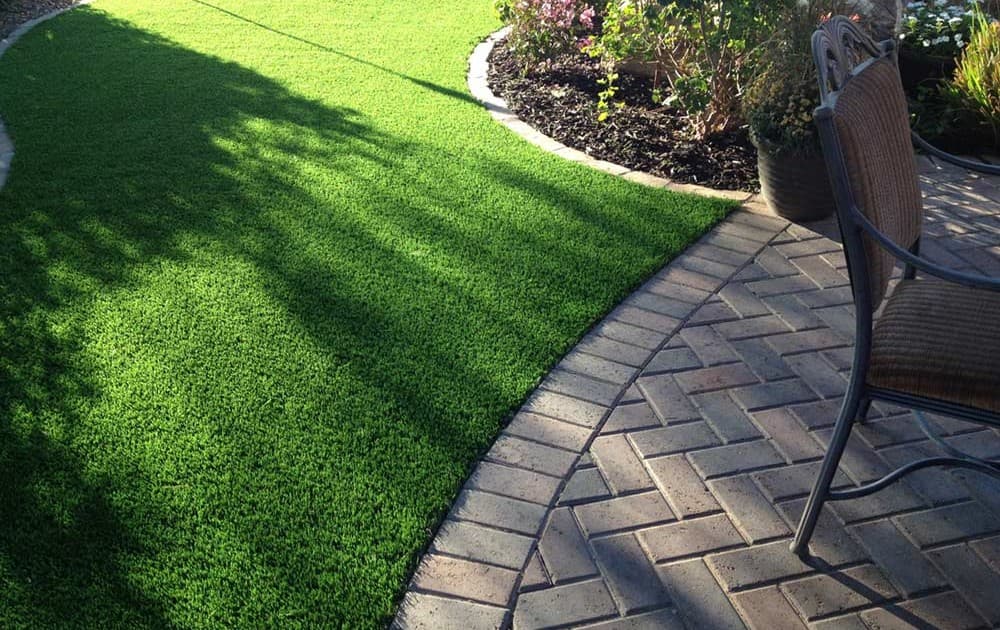
Synthetic grass installation provides Arlington property owners with an innovative solution to the challenges of maintaining natural lawns in North Texas climate conditions. This service transforms residential yards, commercial landscapes, and recreational spaces into vibrant, green environments that remain beautiful throughout the year without the water consumption, chemical treatments, and ongoing maintenance that traditional grass requires. Professional synthetic grass installation is a comprehensive process involving careful site evaluation, thorough ground preparation, strategic drainage planning, precise turf product selection, expert installation techniques, and detailed finishing work that creates a realistic, functional surface. The decision to install synthetic grass addresses multiple challenges that Arlington property owners face. Our region experiences intense summer heat that stresses natural grass, periodic drought restrictions that limit watering, soil variations across different areas that affect growth, and the considerable expense of ongoing lawn care services including mowing, fertilizing, and weed control. Synthetic grass eliminates these concerns while delivering consistent performance and appearance regardless of season or weather patterns. For homeowners, synthetic grass installation means reclaiming weekends previously spent on yard work, reducing monthly water bills significantly, creating cleaner outdoor spaces without mud and grass clippings, and increasing usable outdoor living area. Commercial property managers benefit from predictable maintenance costs, professional appearance that enhances tenant satisfaction and property value, reduced liability from lawn equipment and chemicals, and elimination of brown patches and bare spots that detract from curb appeal. Families with children gain durable play surfaces that withstand heavy use, while pet owners appreciate cleaner, more sanitary outdoor areas that resist the wear and damage that dogs cause to natural lawns. This page explains our synthetic grass installation services in detail, including the complete installation process, various applications we serve throughout Arlington and surrounding communities, factors that influence project investment, and comprehensive answers to questions about choosing synthetic grass for your property.
What Our Synthetic Grass Installation Includes
Professional synthetic grass installation encompasses every step necessary to create a beautiful, long-lasting synthetic lawn. Our comprehensive service ensures your investment delivers optimal performance and satisfaction for years to come.
- •Property Evaluation and Project Planning - Assess current site conditions including soil type, drainage patterns, and existing vegetation, measure installation area precisely for accurate material estimates, identify potential challenges such as slopes or access limitations, and discuss synthetic grass options suited to your needs and budget
- •Existing Lawn and Vegetation Removal - Strip existing grass, weeds, and organic materials from the installation area, excavate to depth required for proper base installation typically three to four inches, remove roots and debris that could affect surface quality, and haul all excavated materials away from your property
- •Grading and Surface Leveling - Establish proper grade for water drainage away from buildings and structures, eliminate depressions and high spots that would create surface irregularities, create consistent slope across installation area, and compact native soil to prevent future settling
- •Drainage Infrastructure Installation - Install French drains along perimeters or low areas where water naturally accumulates, add catch basins or channel drains as needed for effective water management, integrate new drainage with existing property systems, and ensure water flows away from structures and off the synthetic grass surface
- •Aggregate Base Installation - Spread crushed stone or decomposed granite base material to specified depth throughout installation area, level base material to match final grade requirements, compact base in lifts using professional equipment to achieve density that prevents settling, and create stable foundation that supports synthetic grass and withstands foot traffic
- •Landscape Fabric Installation - Lay commercial-grade geotextile fabric across entire prepared base to prevent weed growth through synthetic grass, overlap fabric sections to eliminate gaps, secure fabric to prevent displacement during grass installation, and ensure fabric is permeable for proper drainage while blocking vegetation
- •Synthetic Grass Positioning and Layout - Unroll synthetic grass across installation area with attention to grain direction for optimal appearance, plan seam locations to minimize visibility and avoid high-traffic zones, allow grass to relax and flatten before cutting, and orient grass direction toward primary viewing angles for best visual effect
- •Precision Seaming and Joining - Cut grass sections precisely for tight seam alignment, apply professional-grade seaming tape or adhesive systems, join grass sections with careful attention to grain matching, and brush fibers across seams to conceal joints and create seamless appearance
- •Perimeter Securing and Edge Work - Fasten synthetic grass around entire installation perimeter using galvanized spikes or staples, secure edges at hardscape transitions and borders, trim excess material for precise fit, and ensure grass is taut without waves or buckling
- •Infill Distribution and Integration - Apply silica sand, rubber granules, or specialized infill material appropriate for your application, spread infill evenly across surface using professional equipment, brush infill into grass fibers to support blades and create upright appearance, and verify proper infill depth for optimal performance and realistic look
Our Synthetic Grass Installation Process
Installing synthetic grass successfully requires systematic approach, proper preparation at each stage, and professional execution throughout the project. We follow proven methods that ensure your synthetic lawn looks natural, drains effectively, and performs reliably for many years.
Consultation and Site Analysis
Every synthetic grass project begins with thorough consultation at your property. We walk the installation area with you, discussing your objectives, usage expectations, and any specific concerns about your current lawn or outdoor space. During this visit, we examine soil conditions, evaluate existing drainage performance, identify slopes and grade issues, note obstacles such as trees, sprinkler systems, or hardscape elements, and assess access for equipment and materials. We take precise measurements of the installation area and any irregular borders or features. This information allows us to recommend synthetic grass products suited to your application, whether residential landscape, pet area, putting green, or commercial space. We discuss product options including fiber type, pile height, color variations, and backing systems. You receive detailed information about what the installation process involves, realistic timelines, and a comprehensive proposal outlining scope of work and investment required.
Site Clearing and Excavation
Installation begins with removing existing grass, weeds, and vegetation from the project area. We use sod cutters or excavation equipment appropriate for project size to strip surface materials efficiently. Excavation depth typically ranges from three to four inches, providing space for base material while achieving final surface elevation that matches existing grades at borders and transitions. All organic material including roots and debris is removed, as decomposing organic matter beneath synthetic grass can create depressions or drainage issues over time. If irrigation systems exist in the area, we carefully remove or cap sprinkler heads and lines. The cleared area is then graded to establish proper drainage slope, generally a minimum of one percent grade to move water away from structures. Low spots are filled and high areas are cut down to create consistent surface elevation across the installation area.
Base Preparation and Drainage Installation
A properly prepared base is fundamental to synthetic grass performance and longevity. We install crushed aggregate base material, typically three-quarter-inch minus decomposed granite or similar crushed stone, spreading it evenly across the excavated area. Base material is placed in lifts and compacted using plate compactors or rollers, achieving density that prevents future settling while maintaining permeability for water drainage. Compaction is verified across the installation area to ensure consistency. For properties with poor drainage, heavy clay soil, or areas where water naturally accumulates, we install drainage infrastructure before or during base installation. This may include French drains along the perimeter, channel drains across the surface, or catch basins at low points. Drainage systems are positioned to intercept water flow and direct it away from the synthetic grass area and away from structures, connecting to existing property drainage or suitable discharge locations.
Weed Barrier and Grass Layout
Once the base is prepared and compacted, we install geotextile landscape fabric across the entire area. This commercial-grade fabric creates a barrier preventing weeds from growing through the synthetic grass while allowing water to drain through freely. Fabric sections are overlapped and secured to the base to prevent movement during grass installation. Synthetic grass rolls are then carefully positioned across the installation area. We plan the layout to minimize seams, placing them in low-visibility or low-traffic locations where possible. Grass direction is critical for appearance, with the blade lean oriented toward the primary viewing angle so the grass appears lush and natural. For projects requiring multiple grass sections, all pieces are laid in the same direction to ensure color and texture consistency across seams. The grass is allowed to relax and acclimate before we proceed with cutting and seaming.
Seaming, Fastening, and Infill Application
Creating invisible seams requires precision and proper technique. We carefully trim grass sections where they meet, ensuring edges align perfectly with grain direction matching. Professional seaming tape or adhesive is applied to join sections, with careful attention to backing alignment and fiber positioning across the seam line. Once seaming is complete, the grass is secured around the entire perimeter and at all edges using galvanized landscape spikes or staples driven through the backing into the base below. Fasteners are spaced appropriately to hold the grass firmly without creating visible indentations. After all grass is secured, we apply infill material across the surface. The type and amount of infill depend on the grass product and application, ranging from silica sand for basic landscape applications to specialized antimicrobial infill for pet areas or rubber granules for sports surfaces. Infill is distributed evenly and worked into the grass fibers using power brooms, supporting the blades and creating the upright, natural appearance characteristic of quality synthetic grass installations.
Edge Finishing and Quality Inspection
Professional edge treatment ensures long-term performance and clean aesthetic appearance. We install bender board along curved edges, secure grass against existing hardscape such as concrete or pavers, integrate grass edges with landscape rock or planting beds, or install decorative borders as specified for your project. All edges are trimmed precisely and fastened securely to prevent lifting or movement from foot traffic or weather. The completed installation undergoes thorough inspection, checking seam quality, infill distribution, edge security, surface consistency, and drainage performance. We brush the entire surface to stand fibers upright and optimize appearance. The installation area is cleaned of any remaining debris, and adjacent surfaces are cleared. We provide information about caring for your new synthetic grass and answer any questions about what to expect during the first few weeks as the installation settles and infill integrates fully with the grass fibers.
Synthetic Grass Installation for Different Applications
Synthetic grass adapts to diverse uses across residential, commercial, and specialty applications. We tailor our installation approach and product selection to match the specific requirements and performance expectations of each application type.
Front and Back Yard Installations
Residential landscape applications represent the most common use of synthetic grass, transforming water-hungry, maintenance-intensive lawns into beautiful, functional outdoor spaces that require minimal care. Homeowners choose synthetic grass to eliminate weekly mowing, seasonal fertilizing, constant watering, and ongoing expense of lawn care services while maintaining attractive yards that enhance curb appeal and property value. We install synthetic grass in front yards where consistent appearance is important for neighborhood aesthetics, back yards where families want usable outdoor living space without muddy patches or bare spots, and side yards where shade or poor soil prevents natural grass growth. Product selection emphasizes realistic appearance with multiple blade colors and textures, soft fiber materials that are comfortable for bare feet, and backing systems that provide adequate drainage for residential applications. Installation techniques ensure proper integration with existing landscape elements including trees, planting beds, hardscape features, and architectural details.
Pet Areas and Dog Runs
Synthetic grass designed specifically for pets addresses the unique challenges of households and facilities with dogs. Pet-specific installations incorporate antimicrobial infill materials that resist bacterial growth and odor, backing systems with enhanced drainage capacity to handle liquid waste, and durable fiber construction that withstands digging, scratching, and heavy traffic from active animals. We install pet synthetic grass in residential back yards where dogs play and exercise, designated pet areas within apartment communities and condominiums, boarding facilities and doggy daycares requiring sanitary outdoor surfaces that are easy to clean, and veterinary clinic outdoor areas. Pet installations often include enhanced base preparation with additional drainage capacity, perimeter securing to resist determined digging along fences, and optional integrated waste management solutions. The result is clean, mud-free outdoor space for pets that eliminates grass staining on animal coats, reduces tracking of dirt into homes, and maintains appearance despite intensive use that would quickly destroy natural grass.
Commercial Landscape Applications
Business properties, office complexes, retail centers, and commercial facilities benefit substantially from synthetic grass installation. Commercial applications focus on creating professional appearance, reducing ongoing maintenance costs and service disruption, and establishing consistent landscape aesthetics that remain attractive regardless of season or weather conditions. We serve office buildings seeking impressive entryway landscaping, retail properties creating inviting environments for shoppers, apartment and condominium communities reducing maintenance expenses while providing attractive amenities, business and industrial parks establishing cohesive landscape appearance across large properties, and hospitality properties including hotels and event venues. Commercial synthetic grass installations often involve high-visibility areas where appearance is critical for brand image and customer experience. We select products with enhanced UV resistance for long-term color retention, increased durability for moderate foot traffic, and drainage characteristics suited to the site. Installation techniques account for occasional maintenance vehicle access, integration with irrigation systems for surrounding plantings, and edge treatments that complement existing architectural and hardscape elements.
Putting Greens and Sports Surfaces
Recreational synthetic grass installation creates specialized surfaces for golf practice, children's play areas, and athletic training. Putting green installations use extremely short pile synthetic turf specifically manufactured for golf, providing realistic ball roll and putting performance. We custom-contour putting surfaces with breaks and undulations, install fringe areas around greens using slightly longer grass, and incorporate sand traps or other features as desired. Installation requires precise base grading to create designed contours, careful seaming to avoid any disruption to ball roll, and specialized infill materials that support proper ball speed. Playground synthetic grass installations often incorporate shock-absorbing pad systems beneath the grass to provide impact protection for children's safety. Multi-sport surfaces might include synthetic grass surrounds for basketball courts, batting cage areas, or training spaces. Each recreational application receives product selection and installation techniques matched to its specific performance requirements and expected usage patterns.
Benefits of Professional Synthetic Grass Installation
Choosing professional installation rather than attempting synthetic grass as a do-it-yourself project or hiring inexperienced contractors makes a significant difference in long-term performance, appearance, and satisfaction with your investment. Professional installation begins with thorough site evaluation that identifies drainage challenges, soil conditions, and site-specific factors that influence installation approach. This expertise allows us to anticipate and address potential issues before they affect the finished product. Proper base preparation is the foundation of successful synthetic grass installation, yet it is also the area where inexperienced installers most often cut corners. We understand that adequate excavation depth, correct base material selection, thorough compaction, and appropriate drainage infrastructure are not optional steps but essential elements that determine whether synthetic grass performs well or develops problems such as poor drainage, surface irregularities, or premature wear. Our installation teams use professional equipment including plate compactors that achieve proper base density, seaming tools that create invisible joints, and power brooms that distribute infill correctly. We take time to plan seam locations strategically, orient grass direction for optimal appearance, and integrate edges cleanly with existing landscape and hardscape elements. Attention to detail throughout the process ensures quality results. We maintain clear communication with customers from initial consultation through project completion, discussing plans and progress, addressing questions and concerns promptly, and ensuring you understand how to care for your synthetic grass. Our familiarity with Arlington's climate, common soil conditions throughout the area, and typical property characteristics allows us to adapt our approach to local conditions effectively. We recognize that synthetic grass installation represents a substantial investment in your property, and we approach every project with the professionalism, care, and commitment to quality that investment deserves. The result is synthetic grass installation that looks natural, drains properly, resists wear from traffic and weather, and provides years of beautiful, low-maintenance outdoor space.
Synthetic Grass Installation Cost Considerations
Investment required for synthetic grass installation varies considerably based on project characteristics, site conditions, and product selection. Understanding the factors that influence pricing helps you plan realistically and make informed decisions about your project.
Installation Area Size
Total square footage directly affects material costs and labor requirements. Larger installations require more synthetic grass product, base materials, infill, landscape fabric, and edge materials, along with additional labor hours for excavation, base preparation, grass installation, and finishing. However, larger projects often achieve better economy of scale, with per-square-foot costs declining as project size increases because fixed costs such as equipment mobilization and project setup are distributed across more area. Very small projects may have relatively higher per-unit costs due to minimum service charges and efficiency limitations.
Current Site Conditions
Existing property conditions significantly impact preparation requirements and project costs. Sites that are relatively level with good drainage require less work than properties with significant slope irregularities, poor drainage, rocky or clay soil, or extensive vegetation. Properties requiring substantial grading work, removal of difficult materials such as tree roots or existing hardscape, installation of comprehensive drainage systems, or other remedial work incur higher preparation costs. Access conditions also matter, with easy access for equipment and material delivery being less expensive than locations requiring hand-carrying materials, using smaller equipment due to gate or pathway restrictions, or navigating difficult terrain.
Product Quality and Features
Synthetic grass products span a wide range of quality levels, features, and price points. Basic landscape grass with standard fiber and simple backing systems represents the most economical option. Premium products with realistic multi-tone coloring, varied blade shapes and sizes, soft polyethylene fibers, dense construction, advanced backing with superior drainage, and longer manufacturer warranties cost substantially more. Specialized products for specific applications such as pet grass with antimicrobial properties, putting green turf with precision pile height, or sports surfaces with enhanced durability have different pricing structures than standard landscape synthetic grass. The choice between product tiers significantly affects material costs for the project.
Complexity and Custom Features
Installation difficulty and project complexity influence labor costs substantially. Simple rectangular installations with straight edges and few obstacles require less time and generate less waste than projects with complex shapes, numerous curves, multiple obstacles to work around, tight spaces, or intricate edge details. Incorporating custom features such as decorative inlays or patterns, integrating multiple synthetic grass types such as putting green and fringe areas, working around extensive landscape features or hardscape elements, and creating custom solutions for unique site challenges all increase installation time and difficulty. Multiple separate installation areas that require setup and mobilization for each location add to overall project cost.
Drainage Requirements
Some properties naturally drain well and require minimal drainage enhancement, while others need substantial infrastructure to prevent water accumulation on or beneath synthetic grass. The extent of drainage work depends on soil type with clay requiring more intervention than sandy soil, site topography and natural water flow patterns, proximity to structures that must be protected from water intrusion, and local rainfall intensity and frequency. Sites requiring French drains, catch basins, channel drains, or extensive grading modifications involve additional materials and labor that increase project cost. Proper drainage is essential for synthetic grass performance, so adequate drainage infrastructure is an investment in long-term satisfaction rather than an optional expense.
Edge and Border Treatments
Perimeter finishing ranges from basic edge securing to elaborate border systems with decorative elements. Simple edge treatment using bender board or landscape stakes represents the most economical approach, securing grass adequately while minimizing material costs. Upgraded options including timber borders, decorative metal edging, paver or stone borders, raised borders for elevation changes, or extensive integration with complex hardscape elements increase both material and labor expenses. The ratio of perimeter length to installation area also affects costs, with highly irregular installation shapes requiring more edge work per square foot than consolidated, simple geometric configurations.
Service Area Coverage
Our synthetic grass installation services extend throughout Arlington and all surrounding communities in Tarrant County and nearby regions. We regularly serve Mansfield, Grand Prairie, Arlington Heights, Cedar Hill, Duncanville, Desoto, Midlothian, Waxahachie, Alvarado, Burleson, Crowley, Kennedale, Forest Hill, Venus, Cleburne, Godley, and Stephenville. Our experience working throughout this area gives us familiarity with regional soil types, common drainage challenges, local climate factors, and typical property characteristics that influence synthetic grass installation approach. We maintain service coverage across this entire region without significant travel charges or fees that would affect your project cost. Whether you are located in central Arlington or any of the outlying communities, you receive the same quality installation, professional service, and attention to detail.
Related Services
Artificial Turf Installation
Professional artificial turf installation for residential and commercial properties with complete base preparation.
Learn More →Residential Turf Installation
Custom artificial turf solutions designed specifically for residential properties and homeowners.
Learn More →Commercial Turf Installation
Durable commercial-grade artificial turf installation for business properties and high-traffic areas.
Learn More →Pet Turf Installation
Pet-friendly artificial turf designed for durability, drainage, and easy cleaning in pet areas.
Learn More →Frequently Asked Questions About Synthetic Grass Installation
What is the difference between synthetic grass and artificial turf?+
The terms synthetic grass and artificial turf are essentially interchangeable, both referring to manufactured lawn surfaces made from synthetic fibers designed to replicate the appearance and function of natural grass. Some people use artificial turf to refer specifically to sports field surfaces while reserving synthetic grass for landscape applications, but the industry uses both terms for the same products. What matters more than terminology is the specific product characteristics including fiber type, pile height, backing system, and intended application. Residential landscape products typically feature soft polyethylene or nylon fibers in varied colors and textures for realistic appearance, while sports surfaces might use more durable fibers and specialized infill for athletic performance. Pet-specific products incorporate antimicrobial treatments and enhanced drainage. During consultation, we discuss specific product options suited to your application rather than focusing on whether it is called synthetic grass or artificial turf, as the terminology does not affect product quality or performance.
How long does synthetic grass last in the Arlington climate?+
Quality synthetic grass installed professionally typically lasts fifteen to twenty years or more in the Arlington area with proper care and maintenance. The lifespan depends on several factors including product quality with premium grass featuring UV-resistant fibers and durable backing systems outlasting basic products, installation quality particularly base preparation and drainage that prevent settling or water damage, usage intensity with high-traffic areas experiencing more wear than low-traffic landscape applications, and maintenance consistency with regular debris removal and occasional brushing extending product life. Arlington's climate presents some challenges including intense UV exposure during long, hot summers that can degrade lower-quality fibers over time, though quality products include UV inhibitors that resist fading and breakdown. Our region's temperature fluctuations and occasional freeze events have minimal effect on synthetic grass compared to natural lawns, which is part of synthetic grass appeal. Most manufacturer warranties cover eight to fifteen years depending on product tier, warranting against excessive fading, fiber degradation, and backing failure. With professional installation and reasonable care, you can expect your synthetic grass to perform well and maintain attractive appearance for many years.
Does synthetic grass get too hot to walk on during Arlington summers?+
Synthetic grass does become warm in direct sunlight during summer months, as any outdoor surface would in Arlington's climate where temperatures regularly exceed ninety-five degrees. However, several factors influence surface temperature and heat can be managed effectively. Lighter-colored synthetic grass with tan or light green tones runs cooler than dark green products. Newer fiber technologies include heat-reflective treatments that reduce surface temperatures compared to older products. Infill material selection also matters, with specialized cooling infill products available that absorb less heat than standard silica sand or rubber granules. Practical use strategies make synthetic grass comfortable even during hot weather. The surface cools quickly when shaded by structures, trees, or umbrellas, unlike materials such as concrete or pavers that retain heat. Spraying the grass lightly with a hose reduces surface temperature immediately, providing quick cooling when needed for outdoor activities. Most people use synthetic grass during morning and evening hours when temperatures are moderate, much as they would use any outdoor space during summer. For applications where heat is a particular concern, such as play areas or pet spaces, we can recommend lighter-colored products, cooling infill options, and strategic placement in partially shaded locations.
Will weeds grow through synthetic grass?+
Properly installed synthetic grass with commercial-grade weed barrier fabric effectively prevents weed growth through the grass surface. Our installation process includes removing all existing vegetation and organic material during site preparation, installing permeable landscape fabric across the entire base before laying synthetic grass, and overlapping fabric sections to eliminate gaps where weeds might penetrate. This multi-layer barrier blocks sunlight and prevents weed seeds from reaching soil below while still allowing water to drain through. Most weed issues with synthetic grass occur along perimeter edges where grass meets soil, planting beds, or other landscape areas rather than through the grass itself. These edge weeds can be easily controlled by hand-pulling, applying landscape-safe herbicide along borders, or installing physical edge barriers that extend slightly beneath the grass. Some customers choose to apply pre-emergent weed control along edges during spring months to prevent weed seeds from germinating. Occasional weeds that do manage to appear through synthetic grass are easily removed by pulling, as they cannot establish root systems through the landscape fabric and compacted base. Overall, synthetic grass dramatically reduces weed problems compared to natural lawns that require constant weed control through chemical treatments or manual removal.
How do you clean and maintain synthetic grass?+
Synthetic grass maintenance is minimal compared to natural lawns, requiring no mowing, fertilizing, or irrigation, but some basic care keeps it looking its best. Regular maintenance includes removing leaves, twigs, and debris using a leaf blower, light rake, or simply by hand, typically weekly or as needed based on surrounding trees and landscape. Occasionally rinse the surface with a garden hose to wash away dust, pollen, and environmental residue, particularly during dry periods or after storms. High-traffic areas benefit from periodic brushing using a stiff broom or power broom to stand fibers upright and redistribute infill material that may become compacted or displaced. Address any spills or stains promptly with water or mild soap solution, avoiding harsh chemicals or solvents that might damage fibers. For pet areas, remove solid waste regularly and rinse affected areas with water to prevent odor accumulation, with occasional use of enzyme-based cleaners designed for synthetic grass if desired. Most installations benefit from thorough annual cleaning, which can be accomplished with a hose and stiff brush or by hiring professional synthetic grass cleaning services that use specialized equipment. Infill may need replenishment every few years in areas that experience heavy traffic or where material becomes displaced. Edge inspection ensures perimeter materials remain secure and grass edges stay properly fastened. The time investment for synthetic grass maintenance is a fraction of what natural lawn care requires, typically just minutes per week rather than hours.
Can synthetic grass be installed if I have a dog?+
Synthetic grass is an excellent choice for dog owners and actually performs better than natural grass in yards with pets. Dogs are hard on natural lawns, creating worn paths, digging holes, causing brown spots from urine, and turning yards into muddy messes during wet weather. Synthetic grass designed for pet applications addresses these challenges effectively. Pet-specific synthetic grass features antimicrobial infill materials that resist bacterial growth and control odor, backing systems with enhanced drainage that allow liquid waste to pass through quickly rather than pooling on the surface, and durable fiber construction that withstands digging, scratching, and heavy traffic from active dogs. Installation for pet areas often includes additional base preparation for superior drainage, secure perimeter fastening to resist digging along fences, and integration with existing yard features. The result is clean, mud-free outdoor space where dogs can play without destroying the yard. Synthetic grass eliminates grass staining on pet coats, reduces tracking of dirt into your home, provides consistent surface without bare patches or holes, and creates more sanitary outdoor environment that is easier to keep clean. Maintenance for pet synthetic grass includes removing solid waste regularly and rinsing with a hose to manage odor, much simpler than repairing damaged natural lawns. Many dog owners consider synthetic grass one of the best improvements they make for both their pets and their properties.
Is synthetic grass environmentally friendly compared to natural grass?+
Synthetic grass offers several environmental benefits compared to traditional lawns, though like any product it has both advantages and considerations. The primary environmental benefit is dramatic water conservation, with typical residential lawns in Arlington requiring thousands of gallons of water monthly during growing season to stay green. Synthetic grass requires no irrigation except occasional rinsing for cleaning, saving substantial water resources particularly important during drought conditions. Synthetic grass eliminates the need for fertilizers, herbicides, and pesticides that can run off into storm drains and waterways, reducing chemical pollution and improving water quality. It also eliminates gasoline-powered lawn mower use, reducing emissions and noise pollution while saving fossil fuel consumption. Synthetic grass does not require seasonal aeration, overseeding, or other treatments that natural lawns demand. However, synthetic grass is manufactured from petroleum-based materials and is not biodegradable, though many products now incorporate recycled materials in backing systems and some manufacturers offer recycling programs for old turf. The product requires energy to manufacture and transport, though this is offset over time by elimination of ongoing maintenance energy use. Most environmental assessments conclude that quality synthetic grass properly installed and maintained for its full lifespan offers net environmental benefits compared to traditional lawns in climates like Arlington where natural grass requires significant resource inputs to maintain.
What happens to water when it rains on synthetic grass?+
Properly installed synthetic grass drains water effectively, often better than natural lawns that may become saturated and muddy during heavy rain. Water management in synthetic grass installations involves several components working together. The synthetic grass backing itself is perforated with small holes that allow water to pass through to the base below rather than pooling on the surface. The aggregate base material beneath the grass is highly permeable, allowing water to drain through quickly to the native soil underneath. The base is graded with appropriate slope to direct water away from structures and toward suitable drainage areas. For properties with poor drainage or heavy clay soil that does not absorb water readily, we install drainage infrastructure such as French drains, catch basins, or channel drains during installation to intercept water and direct it to appropriate discharge locations. This comprehensive drainage approach prevents water accumulation on or beneath the synthetic grass that could cause odor, mildew, or backing deterioration. After rain events, synthetic grass surfaces dry quickly, typically within an hour or two depending on temperature and humidity, allowing use much sooner than natural lawns that may remain muddy or saturated for extended periods. Proper drainage design and installation is one of the most important factors in synthetic grass performance, which is why professional installation focuses significant attention on grading and drainage infrastructure.
Ready to Get Started?
Contact us today for a free quote on synthetic grass installation in Arlington, TX.