Drainage Installation in Arlington, TX
Professional drainage system installation to prevent water pooling and ensure turf longevity.
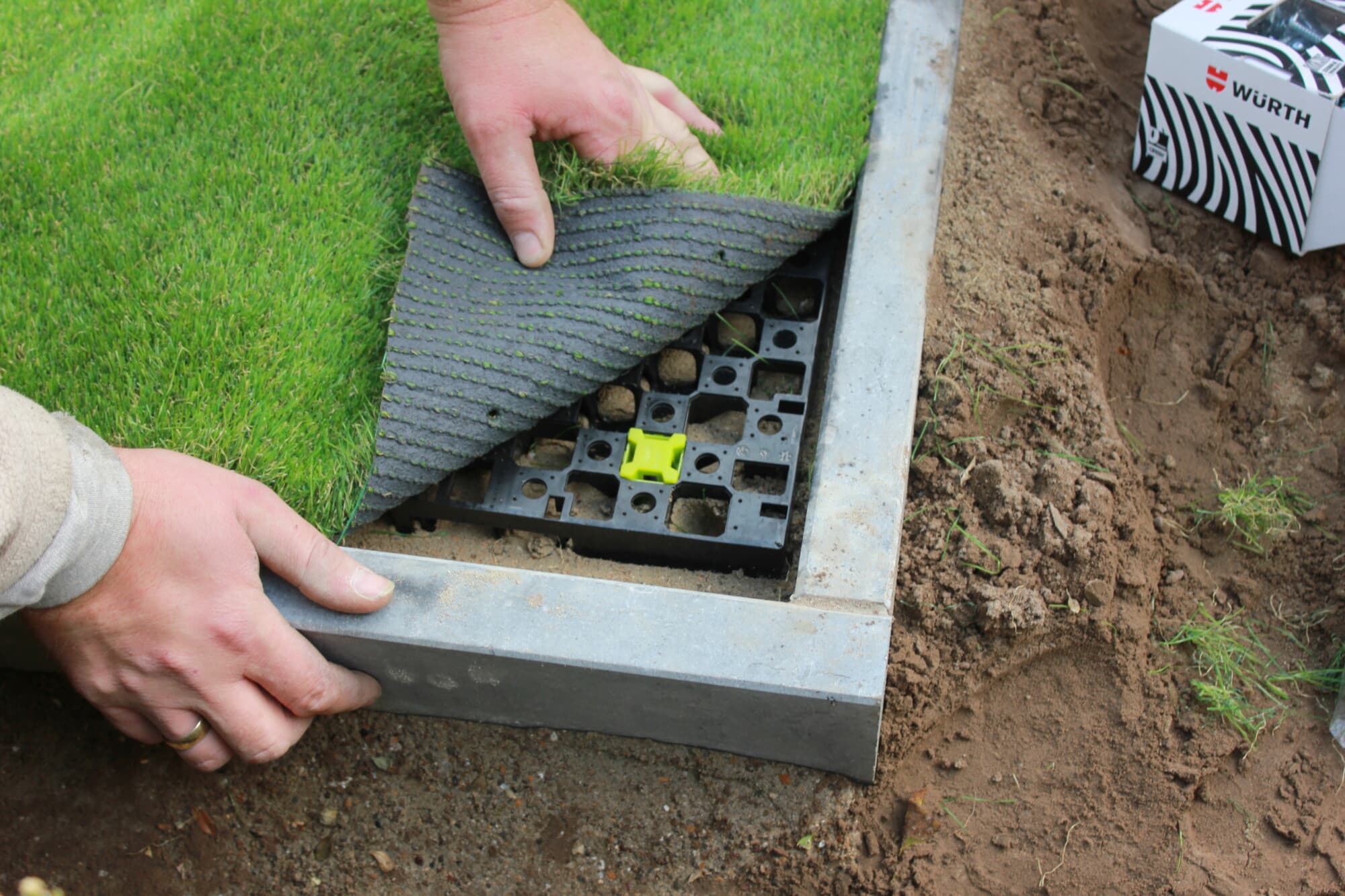
Proper drainage is the foundation of any successful artificial turf installation in Arlington, Texas. Without adequate drainage infrastructure, even the highest quality synthetic grass will face problems including water pooling, uneven settling, backing up during heavy rain, and premature deterioration. Professional drainage installation ensures your turf system performs optimally year-round by managing water flow efficiently, preventing standing water, and protecting the base materials that support your investment. Whether you are installing new turf or upgrading an existing system, proper drainage planning and installation is essential for long-term durability and usability. Our comprehensive drainage installation service addresses the unique challenges of North Texas weather, including intense summer storms, clay-heavy soils that resist water absorption, and terrain variations that require customized solutions. We design and install drainage systems that work seamlessly with your artificial turf, creating a cohesive landscape solution that handles everything from light showers to severe weather events. This page covers everything you need to know about professional drainage installation for artificial turf in Arlington, including what is included in the service, our step-by-step process, different drainage system types, factors that influence pricing, and answers to common questions about managing water effectively beneath and around synthetic grass installations.
What Our Drainage Installation Includes
Our drainage installation service provides complete water management solutions designed specifically for artificial turf applications. We handle every aspect of the drainage system, from initial site evaluation through final testing and verification. Each installation is customized to your property's unique conditions, ensuring optimal performance regardless of soil type, slope, or size.
- •Site Assessment and Drainage Planning - Comprehensive evaluation of existing drainage patterns, soil composition, slope analysis, water table depth, and identification of problem areas to design an effective drainage solution
- •Excavation and Grading - Removal of existing materials to proper depth, creation of appropriate slope gradients for water flow, contouring to direct water away from structures, and preparation of channels for drainage components
- •French Drain Installation - Strategic placement of perforated pipes in gravel-filled trenches, connection to collection points, proper slope configuration, and integration with existing drainage infrastructure
- •Surface Drainage System Setup - Installation of channel drains, catch basins, and surface grates at strategic locations to capture and redirect standing water before it impacts turf performance
- •Base Material Integration - Coordination of drainage components with decomposed granite or crushed rock base layers, ensuring proper compaction around drainage elements, and maintaining consistent permeability throughout the installation area
- •Subsurface Drainage Layer - Installation of specialized drainage fabric or mat systems beneath turf backing to facilitate rapid water movement through the profile and prevent backing up during heavy rainfall
- •Connection to Discharge Points - Proper routing of collected water to appropriate discharge locations including existing storm drains, dry wells, rain gardens, or natural drainage corridors in compliance with local regulations
- •Testing and Verification - Water flow testing to confirm proper drainage rates, adjustment of any slow-draining areas, documentation of system performance, and final inspection to ensure all components function as designed
Our Drainage Installation Process
We follow a systematic approach to drainage installation that ensures every component works together effectively. Our process addresses both immediate water management needs and long-term performance requirements, with each step building on the previous one to create a comprehensive drainage solution.
Site Evaluation and Drainage Design
We begin with a thorough site evaluation that examines existing drainage patterns, identifies problem areas where water accumulates, analyzes soil permeability, and measures slope gradients. This assessment includes reviewing how water currently moves across your property during rain events, identifying low spots that collect water, and understanding how surrounding areas impact drainage on your installation site. Based on this evaluation, we design a drainage system that addresses your specific conditions, incorporating the appropriate combination of surface drains, subsurface systems, and discharge routing to handle expected water volumes.
Excavation and Base Preparation
Once the drainage design is finalized, we excavate the installation area to the required depth, removing existing grass, soil, or other materials. During excavation, we create the base contours and slopes that will direct water toward drainage collection points. This phase includes trenching for French drains or subsurface pipes, creating channels for surface drainage components, and preparing areas for catch basins or collection boxes. We ensure all excavation maintains the proper depth and slope specifications outlined in the drainage design, with particular attention to transitions and connection points.
Drainage Component Installation
We install all drainage components according to the engineered design, beginning with subsurface elements like French drains and perforated pipe systems. Each drainage line is placed at the correct depth and slope, surrounded by appropriate gravel or aggregate material, and wrapped in filter fabric to prevent soil intrusion. Surface drainage components including channel drains, catch basins, and grates are positioned and secured at strategic locations. All components are connected to create an integrated system that moves water efficiently from collection points to discharge locations, with every connection properly sealed and tested.
Base Material Installation and Compaction
After drainage components are in place, we install the base materials that will support your artificial turf while working in conjunction with the drainage system. This includes laying decomposed granite, crushed rock, or other specified base materials in lifts, compacting each layer to achieve proper density and stability. We take care to maintain proper clearances around drainage components, ensure the base material does not obstruct water flow paths, and create a smooth, even surface that promotes drainage while providing structural support. The base is graded to direct water toward drainage collection points throughout the entire installation area.
Drainage Layer and Final Preparation
Before turf installation, we add any specialized drainage layers specified in the design, which may include drainage mats, perforated foam padding, or additional fabric layers that enhance water movement through the turf profile. These materials are positioned to work with the perforated turf backing, creating a complete vertical drainage path from the turf surface through the base to the drainage collection system. We verify that all layers are properly positioned, free from wrinkles or gaps, and ready to support the turf installation while facilitating rapid water drainage.
Testing and System Verification
Before completing the installation, we thoroughly test the drainage system by introducing water at multiple points and observing how quickly it drains and where it flows. This testing reveals any areas that drain slowly or where water pools, allowing us to make adjustments before turf installation. We verify that all surface drains capture water effectively, subsurface systems move water to discharge points without backing up, and the overall system handles water volumes consistent with local rainfall patterns. Any issues identified during testing are corrected, and the system is retested until it performs to specification.
Types of Drainage Installation We Provide
Different artificial turf applications require different drainage approaches based on expected water volumes, usage patterns, and site conditions. We design and install drainage systems tailored to each application's specific requirements.
Residential Lawn Drainage Systems
For residential artificial turf lawns, we install drainage systems that handle typical residential water volumes from rainfall and irrigation while maintaining an attractive appearance. These systems typically combine gentle surface grading with strategic subsurface drainage lines and discrete catch basins positioned in low areas or along property boundaries. The drainage design preserves the natural look of your lawn while ensuring water never pools on the surface, even during heavy North Texas thunderstorms. We integrate drainage components with landscaping features, route discharge away from foundations and structures, and ensure the system works effectively without visible drainage infrastructure interrupting the lawn aesthetic.
Athletic Field and Sports Surface Drainage
Sports facilities require high-capacity drainage systems that rapidly remove water to minimize downtime and maintain safe playing conditions. We install robust drainage systems for athletic fields that include closely spaced subsurface drainage lines, high-flow surface drains positioned at field perimeters, and engineered base slopes that promote rapid water movement toward collection points. These systems are designed to handle intense rainfall while maintaining the precise grading required for sport-specific performance. Whether for football fields, soccer pitches, baseball outfields, or multi-purpose athletic areas, our drainage installations ensure fields are playable shortly after rain events and do not develop soft spots or uneven areas from water accumulation.
Commercial Property Drainage Solutions
Commercial artificial turf installations at office buildings, retail centers, and business parks require drainage systems that handle large surface areas while integrating with existing stormwater management infrastructure. We design commercial drainage systems that collect water from expansive turf areas, coordinate with building drainage systems and parking lot runoff, and direct water to approved discharge points in compliance with municipal stormwater regulations. These installations often include multiple drainage zones, high-capacity collection systems, and connections to existing storm sewer infrastructure, all designed to handle the water volumes generated by large-scale commercial landscapes.
Playground and Recreation Area Drainage
Playgrounds and recreation areas with artificial turf require drainage systems that prioritize safety and rapid water removal to maintain usability. We install drainage solutions for play surfaces that eliminate standing water quickly, prevent mud and puddles in high-traffic zones, and maintain proper cushioning layer performance. These systems typically include perimeter drainage to intercept water before it reaches play areas, strategically placed catch basins in natural collection points, and highly permeable base materials that work with specialized turf backing designed for safety surfacing. The drainage design ensures play areas are safe and accessible soon after rain, preventing extended closures that limit recreational opportunities.
Pet Area and Dog Run Drainage
Artificial turf pet areas require specialized drainage systems that manage not only rainwater but also pet waste liquids, requiring enhanced drainage capacity and antimicrobial considerations. We install pet area drainage systems with increased drainage line density, antimicrobial drainage aggregates, connections to waste management systems where appropriate, and slopes designed to prevent any waste accumulation. These systems include easy-access cleanout points, enhanced permeability throughout the profile, and sometimes integration with specialized backing materials that include antimicrobial properties. The result is a pet area that drains quickly, stays clean, controls odors, and provides a sanitary surface for pets year-round.
Why Arlington Property Owners Choose Our Drainage Installation
Effective drainage installation requires both technical expertise and understanding of local conditions unique to Arlington and the North Texas region. We bring detailed knowledge of Arlington's clay-heavy soils that resist water absorption, requiring more robust drainage solutions than sandy or loamy soils. Our familiarity with local weather patterns, including intense summer thunderstorms that can drop several inches of rain in short periods, informs our drainage capacity planning to ensure systems handle real-world conditions. We design drainage solutions that account for North Texas soil expansion and contraction cycles, preventing the shifting and settling that can compromise drainage performance over time. Our drainage installations integrate seamlessly with artificial turf systems, with careful attention to how drainage components interact with base materials, turf backing permeability, and infill materials. We prioritize clear communication throughout the drainage installation process, explaining design decisions, discussing options for discharge routing, and ensuring you understand how the system will function and what maintenance it may require. Our installations comply with local drainage regulations and stormwater management requirements, preventing issues with municipal authorities while protecting surrounding properties from drainage impacts. We stand behind our drainage work with thorough testing before project completion, addressing any performance issues immediately rather than discovering them after turf installation when corrections become significantly more complex and expensive.
Factors That Affect Drainage Installation Pricing
Drainage installation costs vary considerably based on site-specific conditions and system requirements. Understanding the factors that influence pricing helps you budget appropriately and make informed decisions about drainage solutions.
Installation Area Size
Larger turf areas require more extensive drainage infrastructure, including longer drainage line runs, more catch basins or collection points, and greater quantities of aggregate materials surrounding drainage components. A small residential yard may need only a simple perimeter drain and a few catch basins, while a large athletic field requires a comprehensive grid of subsurface drains, multiple surface collection points, and substantial excavation. Labor and material costs scale with area size, though larger projects often benefit from some economy of scale in per-square-foot costs.
Soil Conditions and Permeability
Arlington's clay-heavy soils present drainage challenges that require more substantial drainage systems than naturally permeable soils. When native soil has very low permeability, drainage systems must be designed to capture and route away virtually all water rather than relying on any natural soil absorption. This typically means more closely spaced drainage lines, larger capacity collection systems, and potentially deeper excavation to reach more permeable soil layers or provide adequate drainage line capacity. Soil conditions are assessed during site evaluation, and the drainage design is adjusted accordingly, with less permeable soils requiring more extensive and therefore more expensive drainage infrastructure.
Site Slope and Grading Requirements
Properties with natural slope that promotes drainage require less extensive grading work and may need fewer drainage components because gravity assists water movement. Flat sites or areas with reverse slopes that direct water toward structures require substantial regrading to create proper drainage flow paths, increasing excavation and earthwork costs. Some sites have complex topography with multiple drainage zones requiring separate systems or sophisticated interconnections. Sites adjacent to structures or with limited space for creating drainage slopes present engineering challenges that require more precise grading and potentially more sophisticated drainage solutions, all of which influence installation costs.
Drainage System Type and Complexity
Simple surface drainage systems with basic catch basins and perimeter drains cost less than complex subsurface systems with extensive French drain networks, multiple drainage zones, or high-capacity collection infrastructure. Athletic fields and commercial properties often require more sophisticated systems than residential lawns because they must handle larger water volumes and meet more stringent performance standards. Systems that integrate with existing stormwater infrastructure, include pump systems for areas where gravity drainage is not possible, or incorporate specialized components like oil-water separators for certain commercial applications add to installation complexity and cost.
Discharge Point Access and Routing
Properties with convenient access to storm drains, natural drainage corridors, or approved discharge points nearby have lower drainage routing costs than sites requiring long drainage line runs to reach acceptable discharge locations. Some properties need retention or detention systems because direct discharge is not available or permitted, adding substantial cost for excavation and installation of dry wells, retention basins, or rain gardens. Routing drainage under hardscapes, through landscaped areas, or around existing utilities increases installation complexity and cost. Municipal requirements for stormwater discharge, including permits, inspections, or connections to public systems, add administrative and compliance costs to the project.
Existing Conditions and Site Preparation
Sites with existing artificial turf, hardscaping, or utilities that must be removed or worked around require more labor and care during drainage installation than clean slate installations. Existing drainage infrastructure may be reusable, reducing costs, or may need complete replacement if outdated or incompatible with new design requirements. Sites with buried utilities, irrigation systems, or other underground infrastructure require careful excavation, potentially hand digging in sensitive areas, and coordination to avoid damage. Rock layers, buried debris, or other obstacles discovered during excavation can increase labor and equipment time, affecting overall project costs.
Service Area Coverage
We serve Arlington, Mansfield, Grand Prairie, Cedar Hill, Duncanville, DeSoto, and all surrounding communities throughout Tarrant County and the southern Dallas metroplex. Our drainage installation services extend to Midlothian, Waxahachie, Burleson, Crowley, Kennedale, Forest Hill, and nearby areas where property owners need professional water management solutions for artificial turf installations. Whether your project is in established Arlington neighborhoods, new developments in Mansfield, commercial districts in Grand Prairie, or anywhere in the region, we provide expert drainage installation that addresses local soil conditions and weather patterns.
Frequently Asked Questions About Drainage Installation
What types of drainage systems work best for artificial turf in Arlington?+
The most effective drainage systems for artificial turf in Arlington typically combine subsurface French drains with surface catch basins and properly graded base materials. Given our clay-heavy soils that resist water absorption, subsurface drainage lines positioned beneath the turf collect and route water away rather than relying on soil permeability. We space these drainage lines based on expected water volumes, typically closer together for athletic fields and commercial applications than residential lawns. Surface catch basins positioned in natural low spots or along perimeters capture any water that reaches the surface before it pools. The entire system works together with the permeable turf backing and free-draining base materials to move water quickly from the surface through the profile to collection points and then to appropriate discharge locations. The specific drainage design for your project depends on site conditions, turf application, and local stormwater requirements.
How long does drainage installation take for a typical artificial turf project?+
Drainage installation timelines vary based on project size and system complexity, but most residential installations take two to four days from excavation through testing and verification. Small residential yards with straightforward drainage needs may be completed in one to two days, while larger properties or complex sites requiring extensive subsurface drainage networks may take a week or more. Commercial projects and athletic fields typically require longer installation periods, often one to three weeks, because of their larger scale, higher drainage capacity requirements, and more extensive testing and verification processes. Weather impacts drainage installation timelines significantly because we cannot properly compact base materials or test drainage systems during rain. The drainage installation must be completed and verified before artificial turf installation begins, so we schedule drainage work to allow adequate time for completion and any necessary adjustments before the turf installation phase.
Will my drainage system require ongoing maintenance after installation?+
Properly installed drainage systems for artificial turf require minimal maintenance but do benefit from periodic inspection and occasional cleaning. We recommend inspecting surface drain grates and catch basins quarterly to remove any accumulated debris like leaves, grass clippings, or trash that could obstruct water flow. After major storms, a quick visual check ensures all drains are functioning and no erosion has occurred around drainage components. Most subsurface drainage lines installed with proper filter fabric protection remain clear and functional for many years without intervention. If you notice slow drainage, standing water, or other performance changes, contact us for evaluation. Some commercial properties and athletic facilities implement annual professional drainage system inspections and cleanouts as preventive maintenance, particularly for high-use facilities where drainage performance is critical. Overall, drainage system maintenance requirements are modest compared to the problems that develop when drainage is inadequate, making proper installation a worthwhile investment.
Can drainage be added to existing artificial turf that has water pooling problems?+
Yes, drainage can be added to existing artificial turf installations experiencing water accumulation or slow drainage, though the process is more complex and typically more expensive than installing drainage during initial turf installation. Adding drainage to existing turf usually requires removing the turf from affected areas, installing drainage components beneath, and then reinstalling or replacing the turf. In some cases, we can install perimeter drainage or surface catch basins without removing large turf sections, providing improvement though perhaps not complete resolution of drainage issues. The most cost-effective approach depends on the extent of drainage problems, what is causing them, and how much of the turf area is affected. We evaluate existing installations to determine whether drainage additions make sense or whether complete reinstallation with proper drainage provides better long-term value. Many drainage problems in existing turf stem from inadequate base preparation or missing subsurface drainage, issues that are difficult to fully correct without substantial rework.
How do you determine where to route drainage water and how do you ensure it is legal?+
Drainage discharge routing must comply with local stormwater regulations and respect neighboring properties, so we carefully plan discharge locations during the design phase. Ideal discharge points include existing storm drain systems, natural drainage corridors like creeks or drainage ditches, or dedicated retention areas designed to manage stormwater on-site. We identify these options during site evaluation, verify they are legally acceptable discharge points, and design the drainage system to route water appropriately. Some municipalities require permits for connections to public storm drains or have restrictions on discharge volumes and locations. We research these requirements for your specific property and ensure our drainage design complies with all applicable regulations. For properties without convenient discharge access, we may recommend retention solutions like dry wells or rain gardens that manage water on-site. We never route drainage in ways that harm neighboring properties or violate drainage easements, and we document our discharge plan for your records.
What happens if drainage installation encounters rock or other underground obstacles?+
Encountering rock, buried debris, or unexpected underground obstacles during drainage installation is not uncommon, particularly in developed areas or properties with previous construction activity. When we encounter rock layers during excavation, we have several options depending on depth and extent. Shallow rock may be excavated and removed, while deeper rock layers might require routing drainage lines around them or adjusting drainage design to work within existing conditions. Significant rock removal adds cost because it requires specialized equipment and additional labor. If we discover buried utilities, old foundations, or other structures not identified during initial site assessment, we adjust the drainage layout to avoid these obstacles while maintaining effective drainage performance. We communicate immediately when encountering unexpected conditions, explain the impact on project timeline and budget, and recommend solutions. Most obstacles can be worked around with design adjustments, though occasionally we encounter conditions that require substantial changes to the drainage plan.
Do you provide any warranty or guarantee on drainage installation work?+
We stand behind our drainage installation work and verify system performance through thorough testing before project completion, ensuring the drainage system functions as designed before we leave your property. Our installation follows industry best practices and local building codes, providing assurance that the work is done correctly. We address any drainage performance issues that arise from installation defects or workmanship problems, distinguishing these from issues caused by factors beyond our control like site changes, damage from other contractors, or alterations to the property that affect drainage patterns. Specific warranty terms are provided in writing with your project proposal and vary based on project scope and components installed. We encourage clients to contact us if drainage performance concerns develop so we can evaluate the situation and determine appropriate corrective action. Our goal is drainage systems that perform reliably for the life of your artificial turf installation, and we take pride in creating solutions that meet this standard.
How does drainage installation cost compare to dealing with drainage problems later?+
Installing proper drainage during initial artificial turf installation costs significantly less than addressing drainage problems after turf is in place, both in direct costs and in avoiding turf damage and performance issues. Adding drainage to existing turf requires removing and reinstalling turf sections, often damaging material that must be replaced, and working in confined spaces that reduce efficiency and increase labor time. Poor drainage causes ongoing problems including water pooling that makes turf unusable, accelerated turf deterioration from excess moisture, base material washout or settling creating uneven surfaces, and potential mold or odor issues in areas that stay wet. Fixing these problems involves not just adding drainage but often replacing damaged turf and restoring base materials, creating costs many times higher than proper initial drainage installation. The modest investment in professional drainage installation protects your much larger investment in artificial turf and ensures the surface performs as expected throughout its lifespan. Property owners who skip or minimize drainage to save initial costs almost always regret that decision when problems develop.
Ready to Get Started?
Contact us today for a free quote on drainage installation in Arlington, TX.