Base Preparation And Grading in Arlington, TX
Expert base preparation and grading services for proper turf foundation and drainage.
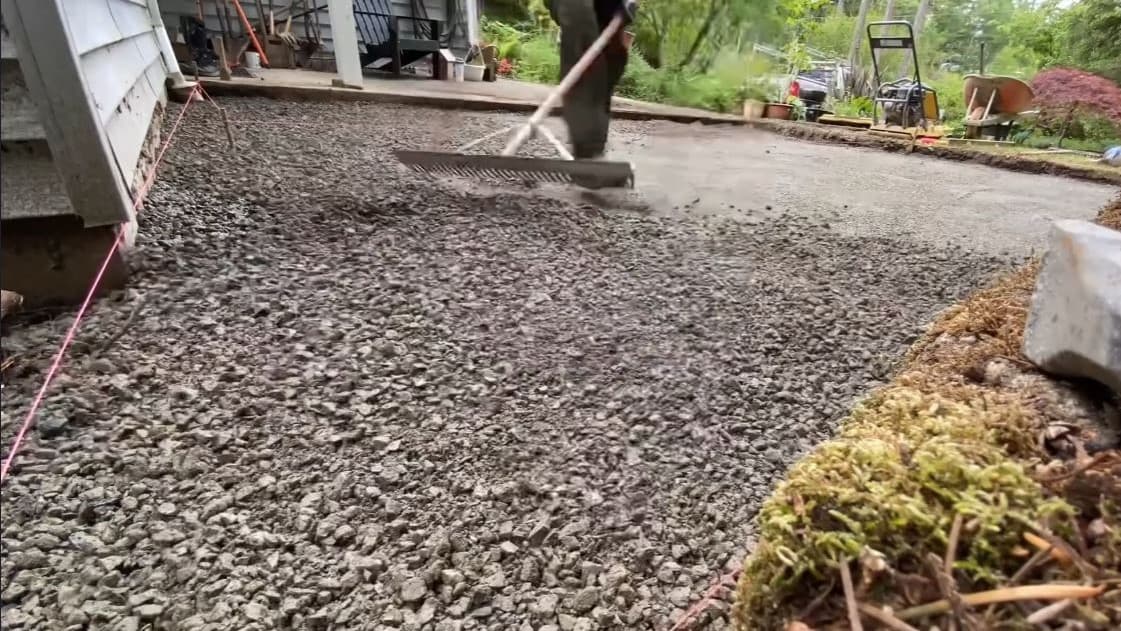
Base preparation and grading form the critical foundation that determines the long-term performance, appearance, and longevity of artificial turf installations. While synthetic grass itself is visible and receives attention, the unseen base system beneath controls drainage, prevents settling, ensures surface stability, and ultimately determines whether your turf investment delivers satisfaction for years or becomes a source of problems and disappointment. Property owners throughout Arlington, Texas who skip proper base preparation or accept substandard work inevitably face issues including poor drainage with standing water after rain, uneven surfaces that develop dips and high spots over time, premature turf wear in areas where inadequate base allows movement, and costly repairs that could have been avoided with proper initial installation. Our professional base preparation and grading service creates engineered foundation systems using proven materials and techniques that provide the stability and drainage artificial turf requires to perform optimally. This comprehensive service can be performed as part of complete turf installation projects or as a standalone foundation service for properties where grass has already been removed. The process involves precise grading to establish proper drainage slopes, installation of weed barrier systems, placement of multiple base material layers with systematic compaction, and final leveling to create uniform surfaces ready for turf installation. We address site-specific challenges including poor drainage areas, uneven terrain, clay soil that retains water, and slopes requiring special engineering to ensure water flows appropriately. On this page, we explain what base preparation and grading includes, detail our systematic preparation process, showcase different applications across various property types, discuss factors that influence base preparation costs, and answer common questions about this essential phase of artificial turf installation. Understanding the importance of proper base work helps you make informed decisions about your turf project and ensures you invest in foundation systems that support rather than undermine your landscape transformation. Professional base preparation represents the difference between artificial turf that performs beautifully for 15 to 20 years and installations that develop problems within the first few years.
What Our Base Preparation and Grading Includes
Our base preparation and grading service provides comprehensive foundation work that creates the engineered systems artificial turf requires for optimal performance. We handle every aspect from initial site evaluation through final compaction and leveling, ensuring your property receives proper preparation that prevents future problems. Each component addresses specific technical requirements critical for long-lasting turf installations.
- •Comprehensive Site Evaluation and Drainage Analysis - Detailed assessment of existing surface conditions, soil type and composition, current drainage patterns and problem areas, identification of high and low spots, evaluation of slopes and grading requirements, and analysis of how water currently flows across your property during rain events
- •Precise Grading Plan Development - Creation of customized grading plans that establish proper drainage slopes away from structures toward appropriate drainage areas, correct existing surface irregularities, address low spots that collect water, and create uniform base elevations that support consistent turf performance across the entire installation area
- •Surface Excavation and Soil Removal - Removal of additional soil as needed to achieve proper final grade elevations, excavation of low areas requiring fill material, and creation of adequate depth for base material layers while ensuring finished turf surface will match desired final elevations relative to adjacent hardscape and structures
- •Soil Grading and Compaction - Initial grading of exposed soil surfaces to rough elevations following excavation, mechanical compaction of soil subgrade to create stable foundations that resist settling, and correction of any soft or unstable areas that could compromise base performance over time
- •Comprehensive Weed Barrier Installation - Placement of commercial-grade geotextile fabric across the entire installation area that prevents weed growth from soil beneath while allowing water to drain freely, proper overlapping of fabric sections to eliminate gaps, and securing to prevent shifting during base installation
- •Aggregate Base Material Installation - Application of crushed granite, decomposed granite, or other specified base materials in systematic layers totaling three to four inches in depth, using materials with appropriate particle gradation that compact well while providing excellent drainage and long-term stability for artificial turf installation
- •Systematic Layer Compaction - Mechanical compaction of base materials using professional plate compactors or roller equipment, working in lifts of one to two inches per pass to achieve maximum density and stability, ensuring the base will not settle or shift under traffic and weather exposure over time
- •Precision Final Grading and Leveling - Detailed finish grading of compacted base to exact elevations and slopes required for proper drainage and turf placement, using laser levels or grade checking tools to verify accuracy, creating smooth, uniform surfaces free of high spots, low areas, or irregular transitions
- •Drainage System Integration - Installation of French drains, channel drains, or other drainage components in areas with poor natural drainage, connection to existing drainage systems where applicable, and ensuring water has clear paths to exit the installation area without pooling or creating erosion
- •Edge Preparation and Transition Detailing - Precise grading and preparation at edges where artificial turf will meet hardscape, landscape beds, or other surfaces, creating appropriate elevations for smooth transitions, and preparing edges for professional finishing treatments during turf installation
- •Quality Verification and Documentation - Comprehensive inspection of completed base work including drainage testing with water to verify proper flow and absorption, measurement of base depth and compaction verification, documentation of final elevations, and confirmation that base meets specifications before turf installation proceeds
Our Base Preparation and Grading Process
We follow a systematic, engineered approach to base preparation and grading that ensures every installation receives the proper foundation for long-term performance. Our process incorporates best practices from the artificial turf industry while adapting to site-specific conditions that affect each unique project.
Site Assessment and Grading Plan Development
Base preparation begins with thorough site assessment examining your property's current conditions, drainage patterns, and grading requirements. We evaluate soil type, noting whether you have sandy soil that drains well or clay-heavy soil common in Arlington that retains water. We identify high and low spots, measure existing slopes, and observe how water currently flows during rain events based on evidence such as erosion patterns, vegetation differences, or standing water locations. We note the relationship between lawn areas and adjacent structures, patios, walkways, and other surfaces to ensure finished turf will meet them at appropriate elevations. Based on this assessment, we develop grading plans that establish proper slopes for drainage, typically one to two percent grade directing water away from buildings and toward suitable drainage areas. The plan addresses any problem areas requiring special attention such as severely uneven terrain, poor drainage zones, or complex site conditions.
Surface Preparation and Soil Compaction
With grass removed and initial grading plans established, we prepare the soil surface for base installation. Any remaining vegetation, roots, or organic materials are cleared to prevent decomposition and settling beneath the base. We grade the soil surface to rough elevations, removing high areas and filling low spots to create more uniform starting conditions. The exposed soil is mechanically compacted using plate compactors or similar equipment, creating a firm, stable subgrade that resists settling. Soft or unstable areas receive special attention including additional compaction or removal and replacement with suitable material. If the soil is excessively rocky or contains unsuitable materials, we may remove it and replace it with clean fill. The goal is creating a stable, relatively smooth soil foundation that provides a solid platform for base material installation.
Weed Barrier and Drainage System Installation
Before placing base materials, we install weed barrier fabric across the entire area. This landscape fabric prevents weeds from growing up through the artificial turf while allowing water to drain through freely. We overlap fabric sections by several inches to eliminate gaps and secure the fabric to prevent bunching or shifting during base installation. In areas with drainage challenges, we may install French drains consisting of perforated pipe surrounded by gravel in trenches that collect and redirect water. Channel drains may be integrated at low points or transition areas. Any necessary drainage system components are installed at this phase so they integrate properly with the base system. The weed barrier and drainage installations create the framework for the aggregate base that follows.
Base Material Placement and Initial Compaction
With the site prepared and weed barrier in place, we begin installing aggregate base materials. Crushed granite or decomposed granite with appropriate particle gradation is delivered and spread across the installation area in systematic layers. Rather than placing the full depth at once, we work in lifts of one to two inches, spreading each layer evenly before compacting. This layered approach achieves superior compaction and density compared to placing and compacting thick layers. The base material is spread using rakes, landscape rakes, or mechanical spreading equipment depending on project size. Each layer is compacted thoroughly using plate compactors, walking the equipment across the entire area in overlapping passes until the material reaches maximum density. We verify compaction by checking for firmness and minimal movement under foot pressure. Multiple lifts continue until we reach the target base depth, typically three to four inches of compacted material.
Precision Grading and Final Leveling
After the base material is placed and compacted to proper depth, we perform precision finish grading to create the exact surface that will receive artificial turf. Using laser levels, string lines, or grade checking tools, we verify elevations across the entire area and make adjustments to achieve proper slopes and smooth, uniform surfaces. High spots are scraped down and compacted again. Low areas receive additional material and compaction. We pay special attention to drainage slopes, ensuring water will flow consistently toward designated drainage areas without creating channels or erosion paths. Edges are graded to proper elevations for clean transitions to adjacent surfaces. The entire surface is checked from multiple angles and locations to verify smoothness and consistency. Final passes with the plate compactor ensure any areas disturbed during finish grading are thoroughly compacted before installation proceeds.
Quality Verification and Turf Installation Preparation
Before considering base preparation complete, we conduct comprehensive quality verification. We test drainage by saturating sections of the base with water, observing flow patterns and absorption rates to confirm the system performs as designed. We measure base depth at multiple locations verifying adequate material thickness. We walk the entire surface checking for soft spots, irregularities, or areas requiring additional work. We verify edges are properly prepared and elevations are correct for transitions. Any deficiencies receive immediate correction to ensure the base meets our quality standards and industry best practices. Once verified, the surface is lightly dampened if conditions are dusty, and we proceed with artificial turf installation. The completed base provides the stable, well-draining, precisely graded foundation that determines the long-term performance of your turf investment.
Types of Base Preparation and Grading We Provide
Base preparation and grading serves diverse applications across residential, commercial, athletic, and specialty artificial turf installations. Different applications have varying requirements for base engineering, drainage capacity, and surface precision, and our preparation work adapts to meet these specific needs.
Residential Landscape Base Preparation
Residential lawn and landscape turf installations require base systems that provide good drainage, prevent settling, and create smooth, attractive surfaces for everyday use. These preparations typically use standard crushed granite base materials in depths of three to four inches, with moderate drainage slopes of one to two percent directing water toward yard perimeters, side yards, or existing drainage systems. The base must accommodate regular foot traffic and recreational use without developing depressions or uneven areas. Special attention is paid to transitions between turf and patios, walkways, or driveways to ensure smooth, safe connections. Areas with poor natural drainage may include French drains or additional base depth. The grading creates surfaces that shed water effectively while looking natural and uniform. Residential base preparation balances performance requirements with cost considerations, using proven materials and techniques that deliver reliable results for family landscapes.
Commercial Property Base Systems
Commercial properties including office complexes, retail centers, and business parks require base preparation that creates durable, professional-appearing turf installations capable of handling moderate to heavy use while minimizing maintenance. Commercial base systems often use higher compaction standards and may include thicker base layers in high-traffic areas. Drainage design must handle larger surface areas and higher water volumes. The preparation must coordinate with existing site drainage infrastructure, building foundations, parking lots, and other commercial property features. Grading creates surfaces that present professionally from customer and public viewing angles. Edge conditions receive special attention where turf meets concrete, pavers, or other hardscape common in commercial settings. The base work must support turf that maintains attractive appearance under conditions where natural grass would quickly deteriorate, providing the long-term cost savings that justify the installation investment.
Athletic Field and Sports Surface Preparation
Athletic fields and sports surfaces require engineered base systems that meet specific performance standards for playability, safety, and durability under intensive use. Sports field bases typically use thicker aggregate layers, often four to six inches or more, with precise particle gradation specifications that optimize drainage and shock absorption. Compaction must achieve specific density targets while maintaining porosity for drainage. Grading tolerances are tight, often requiring surfaces flat within one-half inch over ten feet or better to ensure proper ball roll and athlete safety. The base must support specific turf systems designed for soccer, football, baseball, or multi-purpose use. Drainage systems are often extensive with networks of perforated pipes ensuring fields drain quickly and remain playable soon after rain. These specialized preparations follow industry standards and best practices for sports turf installations, creating foundations that support competitive play and intensive practice schedules.
Pet Turf Base Preparation with Enhanced Drainage
Artificial turf installations for properties with dogs require base preparation with enhanced drainage capabilities that handle pet urine without creating odors or sanitation issues. These specialized bases may use deeper aggregate layers, coarser materials with larger particle sizes that drain even faster, or additional perforated drainage layers that accelerate liquid removal. The base is often graded with steeper slopes to encourage rapid drainage toward yard perimeters. Some pet turf installations include specialized underlayment materials or drainage systems designed specifically for pet waste management. Compaction still provides stability but is balanced with maintaining maximum permeability. The goal is base systems that allow urine to drain through and away from the turf quickly, preventing accumulation that could create odors or bacterial growth. Proper pet turf base preparation is essential for installations that will see daily use by dogs, ensuring the turf remains clean, fresh, and sanitary over its service life.
Rooftop and Elevated Installation Bases
Rooftop terraces, balconies, and elevated deck areas that receive artificial turf require specialized lightweight base systems that minimize structural load while still providing drainage and surface stability. Traditional crushed granite bases may be too heavy for these applications, so we use alternative lightweight aggregates, specialized drainage mats, or pedestal systems that elevate turf above roof surfaces. The preparation must work within weight limits specified by structural engineers while creating surfaces that drain effectively, often through existing roof drainage systems. Wind resistance becomes a concern, so base and turf securing methods must prevent lifting in exposed locations. Waterproofing protection is critical to prevent roof membrane damage. These specialized installations require careful planning and preparation techniques adapted to unique elevated environment constraints while still delivering attractive, functional artificial turf surfaces.
Why Arlington Property Owners Choose Our Base Preparation and Grading
The quality of base preparation and grading determines whether artificial turf installations perform beautifully for decades or develop problems within the first few years. Many installation failures traced to inadequate drainage, surface settling, or premature wear result directly from poor base preparation by installers who rush through this critical phase or lack understanding of proper techniques. Our approach prioritizes engineered base systems over shortcuts that save time but compromise results. We take the time to properly assess site conditions, develop appropriate grading plans, and execute preparation work systematically using proven materials and methods. Our compaction process uses professional equipment and techniques that achieve the density and stability required for long-term performance rather than just surface firmness that looks adequate but allows settling over time. We understand that drainage is absolutely critical in Arlington where intense thunderstorms can dump inches of rain in short periods, so we grade surfaces properly and engineer drainage systems that handle high water volumes without creating puddles or erosion. Material selection uses appropriate aggregate gradations that compact well while draining quickly rather than whatever materials are cheapest or most readily available. Our precision in final grading creates smooth, uniform surfaces that produce attractive turf installations free of visible dips, waves, or irregular areas. We communicate clearly about what proper base preparation involves and why it matters rather than treating it as a commodity component to be minimized. Our experience with Arlington's clay soils and climate informs our preparation techniques. When you choose our base preparation and grading service, you are working with professionals who understand this foundation work determines the ultimate success of your entire artificial turf investment.
Factors That Affect Base Preparation and Grading Pricing
Base preparation and grading costs vary significantly based on project-specific factors including site conditions, preparation complexity, and performance requirements. Understanding these variables helps you develop realistic budget expectations and make informed decisions about your base preparation investment.
Installation Area Size
The total square footage receiving base preparation directly impacts project cost, as larger areas require more materials and labor hours. However, larger projects benefit from economies of scale with better per-square-foot pricing than small installations. A 500 square foot area might cost substantially more per square foot than a 5000 square foot project due to fixed costs for equipment mobilization, material delivery minimums, and project setup being distributed across more area. Very large commercial or athletic field projects achieve the most favorable unit pricing. Base preparation represents a significant portion of total turf installation cost, so area size substantially affects overall project investment. When planning projects, consider whether preparing larger areas provides better value than addressing only minimal zones.
Existing Site Conditions and Grading Requirements
The current condition of your property significantly influences base preparation costs. Relatively level sites with good drainage and stable soil require less grading and preparation work than properties with severe slopes, poor drainage, uneven terrain, or problematic soil. Sites needing extensive grading to correct major elevation differences, fill substantial low areas, or remove high spots involve more labor and materials. Properties with soft, unstable soil may require additional excavation and replacement with suitable material. Clay-heavy soil that drains poorly benefits from additional drainage measures. Sites with favorable starting conditions allow for more efficient, less expensive preparation, while challenging sites with multiple issues require premium investment reflecting the additional work needed to create proper base systems.
Base Depth and Material Requirements
Standard residential base preparations typically use three to four inches of compacted aggregate material. However, some applications require deeper bases for enhanced drainage, increased durability, or specific performance requirements. Athletic fields often use four to six inches or more. Pet turf installations may include extra depth for drainage capacity. Sites with poor natural drainage benefit from thicker bases. Each additional inch of base depth requires approximately one additional cubic yard of material per 100 square feet, increasing material costs proportionally. Premium aggregate materials with specific gradations cost more than standard crushed granite. Specialized drainage layers, geotextile fabrics, or underlayment products add to material expenses. Projects requiring basic standard bases are more affordable than those needing enhanced or specialized base systems.
Drainage System Complexity
Properties with good natural drainage and proper existing slopes may need minimal drainage work beyond proper base grading. Sites with poor drainage, clay soil, low-lying positions, or areas where water collects require engineered drainage solutions that increase project costs. French drain installation involves trenching, perforated pipe, additional gravel, and labor for proper placement. Channel drains, catch basins, or connections to existing drainage infrastructure add complexity and expense. Extensive drainage systems with multiple components or long drain runs involve substantial additional investment. The drainage requirements are site-specific and often cannot be fully determined until grass removal exposes actual conditions. Transparent communication about drainage needs and associated costs helps set realistic expectations for properties with water management challenges.
Site Access and Working Conditions
Equipment access affects base preparation efficiency and costs. Properties with good access for material delivery trucks, ability to use machinery for spreading and compacting, and adequate working space enable efficient preparation. Locations requiring hand-carrying of materials, limited equipment use due to access constraints, or work in confined spaces increase labor requirements. Hillside properties, multi-level sites, or rooftop installations present additional challenges. Protection of adjacent surfaces, working around numerous obstacles, or coordination with restricted access times affects productivity. Sites with excellent access and open working conditions allow for the most cost-effective preparation, while constrained or difficult sites involve premium pricing reflecting additional labor and time requirements for completing the work.
Quality Standards and Performance Requirements
Different installation types have varying base preparation standards that affect costs. Basic residential landscape turf installations use standard preparation techniques and compaction levels adequate for typical use. High-traffic commercial installations may require enhanced compaction and quality control. Athletic fields and sports surfaces require precise grading tolerances, specific compaction targets, certified testing, and adherence to industry standards that involve additional expertise and verification. Specialty applications such as putting greens demand extremely tight tolerances and specialized preparation techniques. Projects with higher performance requirements naturally involve additional investment for the expertise, materials, precision, and verification needed to meet those standards. Discussing your specific performance expectations helps us recommend appropriate preparation levels that balance requirements with budget considerations.
Service Area Coverage
We serve Arlington, Mansfield, Grand Prairie, Arlington Heights, Cedar Hill, Duncanville, Desoto, Midlothian, Waxahachie, Alvarado, Burleson, Crowley, Kennedale, Forest Hill, Venus, Cleburne, Godley, Stephenville, and all surrounding Tarrant County communities. Our base preparation and grading service extends throughout the Dallas-Fort Worth region, providing professional foundation work for artificial turf installations across North Texas. Whether your property is located in central Arlington or surrounding areas, we bring systematic preparation processes and engineering expertise to ensure your base system delivers the drainage, stability, and performance your turf requires for long-term satisfaction.
Related Services
Landscape Turf Replacement
Complete landscape transformation with artificial turf replacement for existing grass or landscaping.
Learn More →Natural Grass Removal
Professional natural grass removal and site preparation for artificial turf installation projects.
Learn More →Backyard Turf Installation
Transform your backyard with professional artificial turf installation for year-round green outdoor spaces.
Learn More →Frequently Asked Questions About Base Preparation And Grading
Why is base preparation so important for artificial turf installations?+
Base preparation determines virtually every aspect of artificial turf performance including drainage, surface stability, longevity, and appearance over time. A properly prepared base provides the drainage that prevents standing water and allows the surface to dry quickly after rain. It creates the stable, firm foundation that prevents settling, dips, or uneven areas from developing as the installation ages. Proper compaction ensures the surface remains smooth under traffic rather than becoming loose or shifting. The base provides the framework that keeps turf properly secured and tensioned. Inadequate base preparation is the primary cause of artificial turf installation failures including poor drainage with water pooling, surface irregularities that develop within months, premature turf wear in areas where inadequate support allows excessive movement, and costly repairs that far exceed the cost of doing the work properly initially. While the turf itself is visible, the unseen base beneath controls whether your installation delivers satisfaction for 15 to 20 years or becomes a source of ongoing problems and disappointment.
What type of base material is best for artificial turf in Arlington?+
Crushed granite and decomposed granite are the most common and effective base materials for artificial turf installations in the Arlington area. These aggregate materials compact well to create stable, firm foundations while maintaining excellent drainage through their angular particle structure. The ideal base material has a mixture of particle sizes with gradation specifications that allow tight compaction while preserving void spaces for water flow. Crushed granite typically contains particles ranging from fines up to three-eighths or three-quarter inch, providing the combination of stability and drainage turf installations require. Some installers use alternative materials such as crushed limestone or recycled concrete aggregate, which can perform adequately when properly graded and compacted. Materials to avoid include sand, which does not compact firmly and tends to shift, and round gravel, which does not compact well due to spherical particle shapes. The specific material matters less than proper gradation, adequate depth, and thorough compaction using professional equipment and techniques.
How much slope or grade is needed for proper artificial turf drainage?+
Artificial turf installations typically require one to two percent grade slope for proper drainage, which equals approximately one to two inches of elevation drop per ten feet of distance. This subtle slope directs water away from structures and toward appropriate drainage areas without being noticeable to the eye or affecting usability. Perfectly flat surfaces are avoided because they can develop slight depressions over time that allow water pooling, whereas even minimal slope encourages water movement. Steeper slopes of three to five percent or more may be used in areas with severe drainage challenges or to quickly direct water away from buildings, though very steep slopes can affect how turf appears and performs. The slope should be consistent and smooth rather than having irregular high and low spots that create drainage problems. During base preparation, we establish appropriate grades based on your property's specific conditions, existing drainage infrastructure, and relationship to adjacent structures. Even with proper base slope, the perforated turf backing and porous base materials allow much water to drain vertically through the system rather than all running across the surface.
Can base preparation fix existing drainage problems in my yard?+
Yes, professional base preparation addresses and corrects most drainage problems that plague natural lawns including standing water, muddy areas, erosion, and poor soil absorption. The process involves regrading to eliminate low spots where water collects and establishing proper slopes that direct water toward appropriate drainage areas. The engineered base system using crushed granite drains far more effectively than the compacted clay soil common in Arlington, allowing water to percolate through at rates of 30 inches per hour or more. For properties with severe drainage challenges, we can install French drains, channel drains, or other subsurface drainage components that collect and redirect water. The combination of proper grading, porous base materials, and drainage systems typically solves even difficult water management issues. However, some situations such as properties at the bottom of significant slopes receiving runoff from large surrounding areas may require extensive drainage engineering beyond standard base preparation. Site assessment identifies drainage challenges and allows us to recommend appropriate solutions during the preparation phase.
How long does base preparation and grading take to complete?+
Base preparation and grading timelines vary based on project size, site conditions, and complexity but typically range from one to three days for most residential installations. A standard front or back yard of 1000 to 2000 square feet with relatively straightforward conditions can often be prepared in one to two days. Larger yards of 3000 to 5000 square feet or projects requiring extensive grading corrections, drainage system installation, or dealing with difficult site conditions may take three to five days. Very large commercial projects or athletic fields require extended timelines based on their scope. The process includes site preparation, weed barrier installation, base material placement in layers, systematic compaction of each layer, finish grading and leveling, and quality verification. Weather affects timelines, as we need dry conditions for proper compaction and avoid working with saturated materials. For complete turf installation projects, base preparation flows directly into turf placement, so the overall project timeline includes both phases. We provide specific estimates during consultation based on your particular project parameters.
Can I install artificial turf without professional base preparation?+
While it is physically possible to place artificial turf directly on soil or over inadequate bases, doing so virtually guarantees poor performance, drainage problems, and premature failure. Turf installed without proper base preparation develops numerous issues including standing water and poor drainage because compacted clay soil does not drain efficiently, surface settling and depressions as soil compacts unevenly under traffic and weather exposure, weed growth through the turf from unprepared soil beneath, uneven and irregular appearance from following the natural bumps and dips of ground surfaces, premature turf wear and damage in areas lacking proper support, and costly repairs or complete reinstallation within a few years. Professional base preparation costs represent approximately 40 to 50 percent of total installation investment but they determine whether the other 50 to 60 percent spent on turf and installation labor delivers long-term value or becomes wasted money on a failed installation. Attempting to save money by skipping or shortcutting base work is a false economy that typically costs far more in the long run through poor performance and premature replacement.
What happens if the base is not compacted properly?+
Inadequate base compaction creates multiple serious problems that emerge over time as the loose base material settles under traffic, weather, and gravity. Poorly compacted bases develop surface depressions, dips, and uneven areas as the material compresses, creating an irregular, wavy turf appearance that worsens over time. The turf may separate from the base in areas where settling creates gaps, allowing movement that accelerates wear and potential seam separation. Edges may sink, creating trip hazards and unprofessional appearance. Drainage performance degrades as settling material closes void spaces needed for water flow. Some areas may become soft and spongy rather than firm and stable. The base may shift laterally under traffic, causing turf to wrinkle or bunch. These issues typically cannot be corrected without removing the turf and redoing the base work, turning the cost savings from rushed compaction into expensive repairs. Professional base preparation uses mechanical compaction equipment and systematic techniques including working in thin lifts, making multiple passes with compactors, and verifying firmness to achieve the density and stability required for long-lasting installations.
Do different turf applications require different base preparation?+
Yes, different artificial turf applications have varying base preparation requirements based on their performance demands, drainage needs, and usage intensity. Standard residential landscape turf uses conventional base preparation with three to four inches of compacted crushed granite and moderate drainage slopes. Athletic fields and sports surfaces require engineered bases with precise specifications including thicker aggregate layers, specific particle gradations, tight grading tolerances, verified compaction levels, and often extensive drainage systems to meet playability and safety standards. Pet turf installations benefit from enhanced drainage using deeper or coarser bases and steeper slopes to handle urine. Putting greens require extremely precise leveling and specialized base systems that support proper ball roll. Poolside turf needs maximum drainage capacity with enhanced perforations and slope. Rooftop installations use lightweight alternatives to standard aggregate bases. Commercial high-traffic areas may include reinforced bases or thicker layers for durability. Understanding your specific application allows us to design and execute base preparation appropriate for the performance requirements and usage your installation will experience.
Ready to Get Started?
Contact us today for a free quote on base preparation and grading in Arlington, TX.